Explore the Warner Bros. Studio Tour London creature effects | What to see, highlights, & more
Step into the workshop where the Wizarding World breathes. The Warner Bros. Studio Tour London creature effects showcases the incredible practical artistry used to bring magical beasts to life.
Discover the Warner Bros. Studio Tour London creature effects
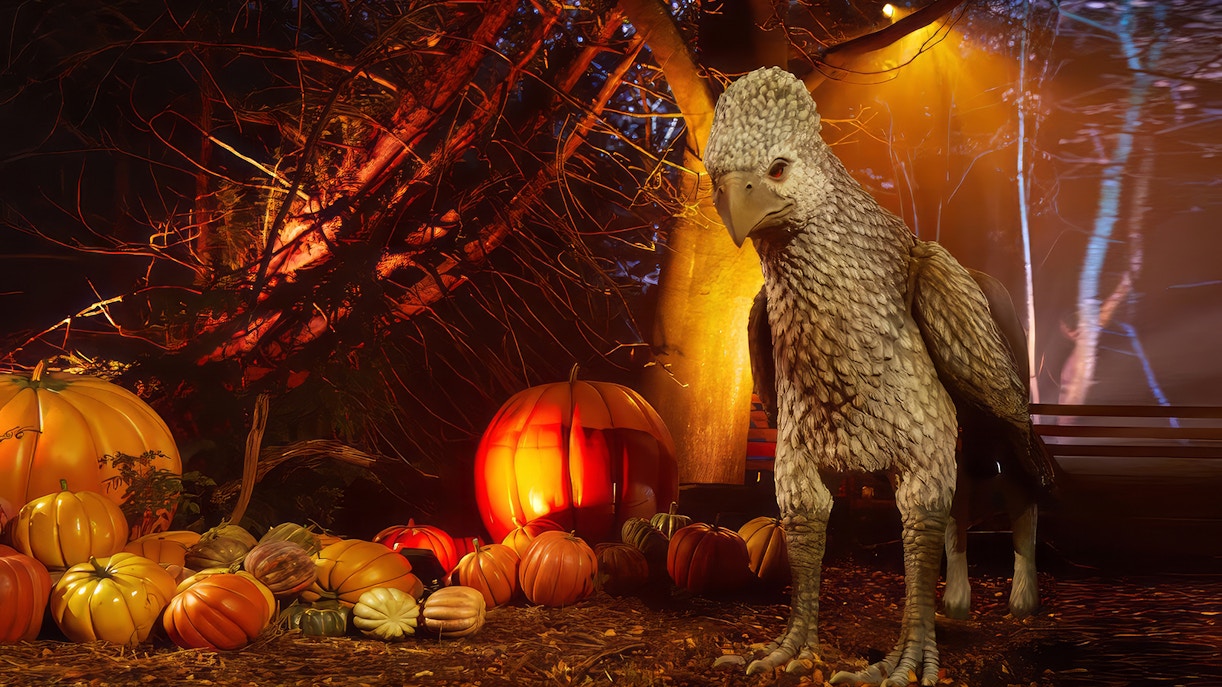
Hippogriff statue surrounded by pumpkins in a forest setting, part of Harry Potter: A Forbidden Forest Experience.

The creature effects collection is a testament to the blend of traditional craftsmanship and modern engineering. Led by Nick Dudman throughout all eight films, this department created everything from hyper-realistic prosthetic masks to massive, complex animatronics. You can explore a vast array of physical models that served as the living inhabitants of the Harry Potter universe. Spanning over a decade of filmmaking, the collection features pieces from the early 2000s through 2011, highlighting the evolution of practical effects before they were enhanced by digital magic.

Warner Bros. Studio Tour London creature effects | What to look out for?
The collection is categorised by the technical methods used to achieve realism on screen. Each section offers a glimpse into the diverse skill sets of the Creature Effects team.

Animatronics

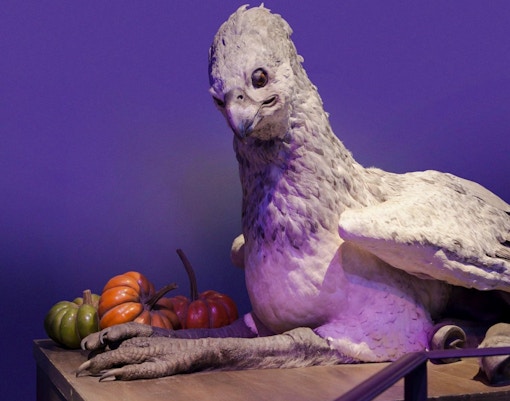
High-tech mechanical skeletons covered in silicone or feathers, used for characters like Fawkes and Buckbeak that needed to move realistically on set.

Prosthetics

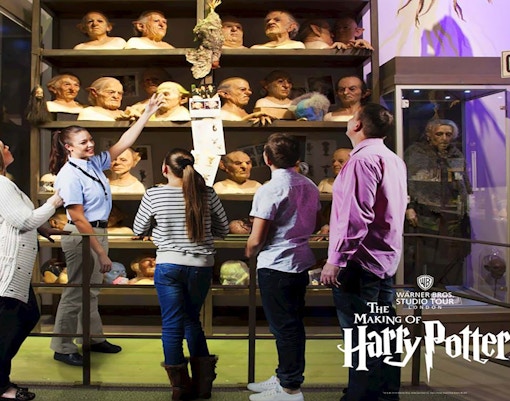
Intricate silicone masks and appliances, most notably seen in the distinct, individualised faces of the Gringotts Bank goblins.

Practical props

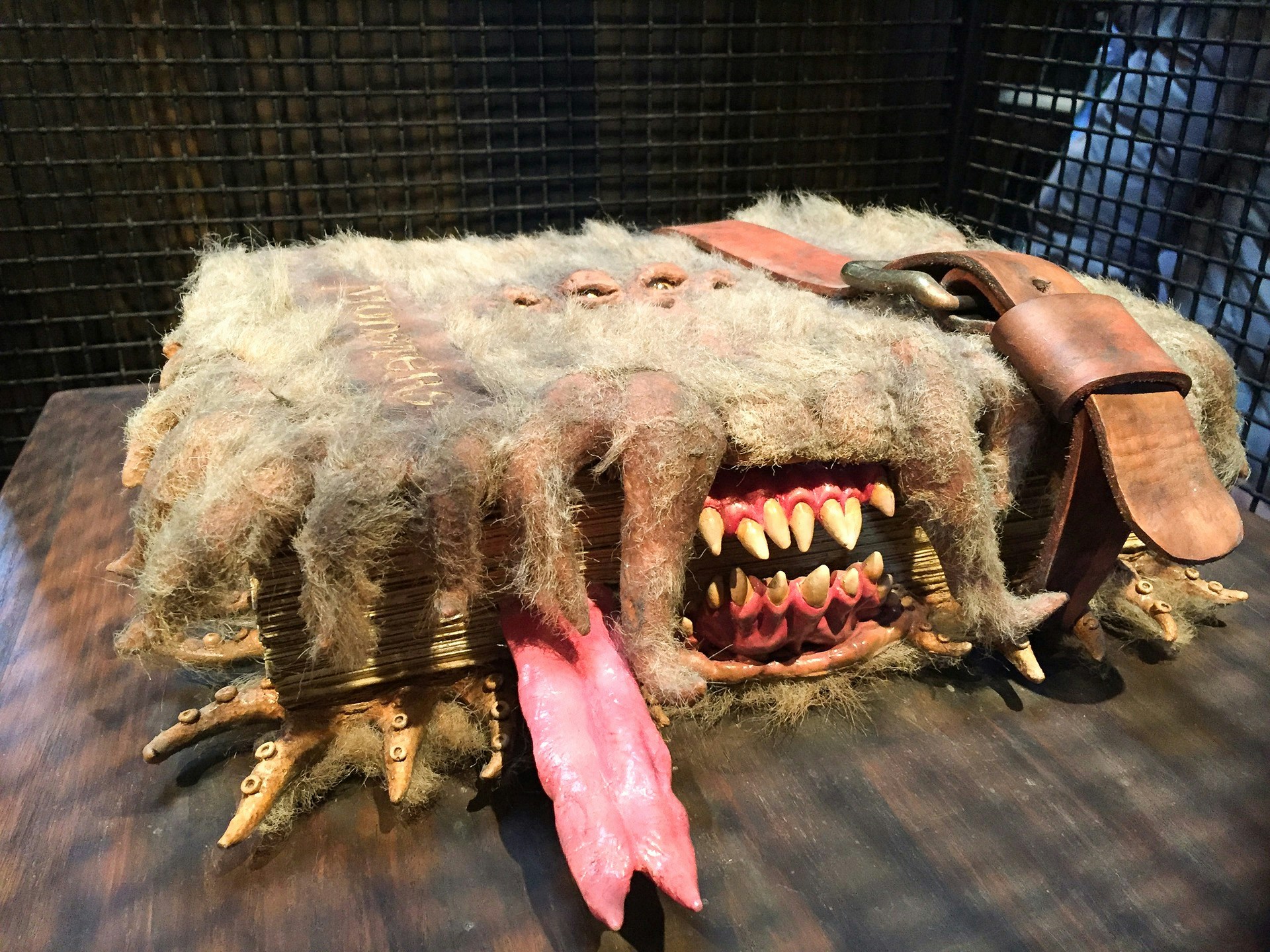
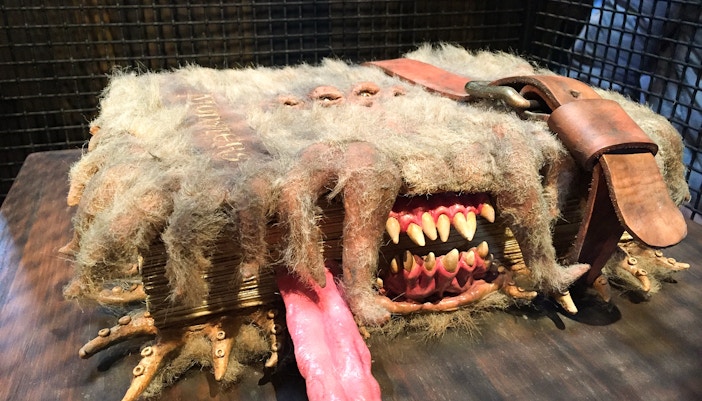
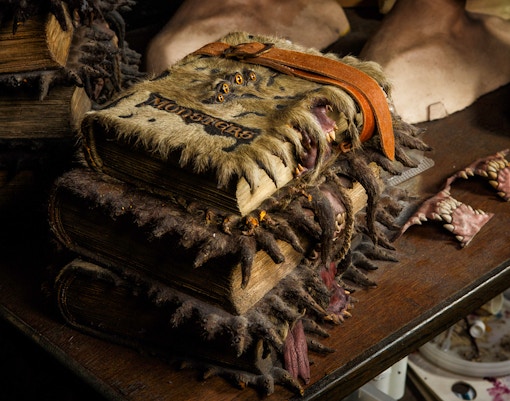
Functional models that performed specific tasks, such as the snapping Monster Book of Monsters or the screaming Mandrakes.

Scale models

Detailed reference pieces, like the skeletal Thestrals, helped actors visualise creatures that would later be finalised with CGI.

Exploring the Creature Effects Department

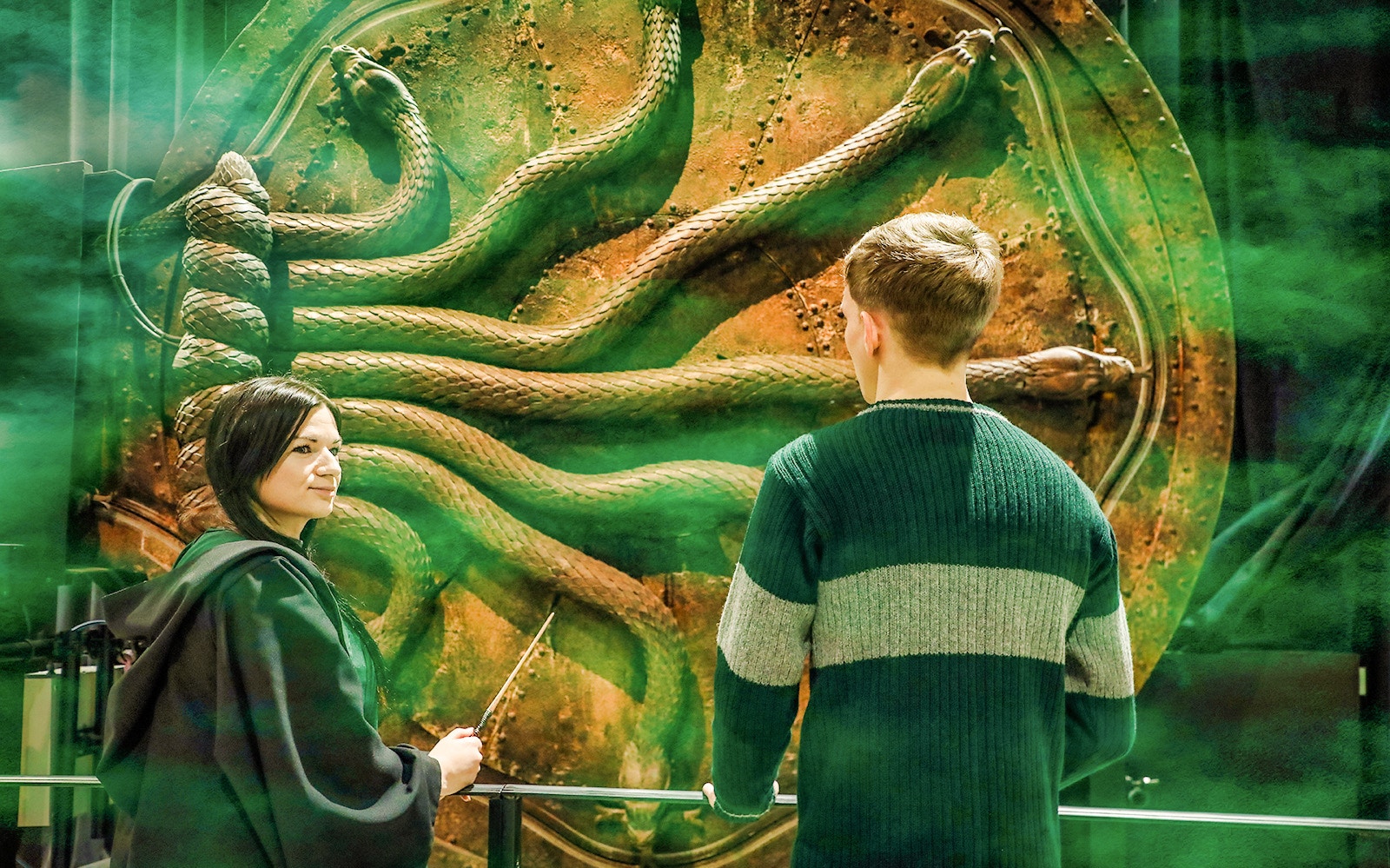
Basilisk model at Harry Potter Studio, London.
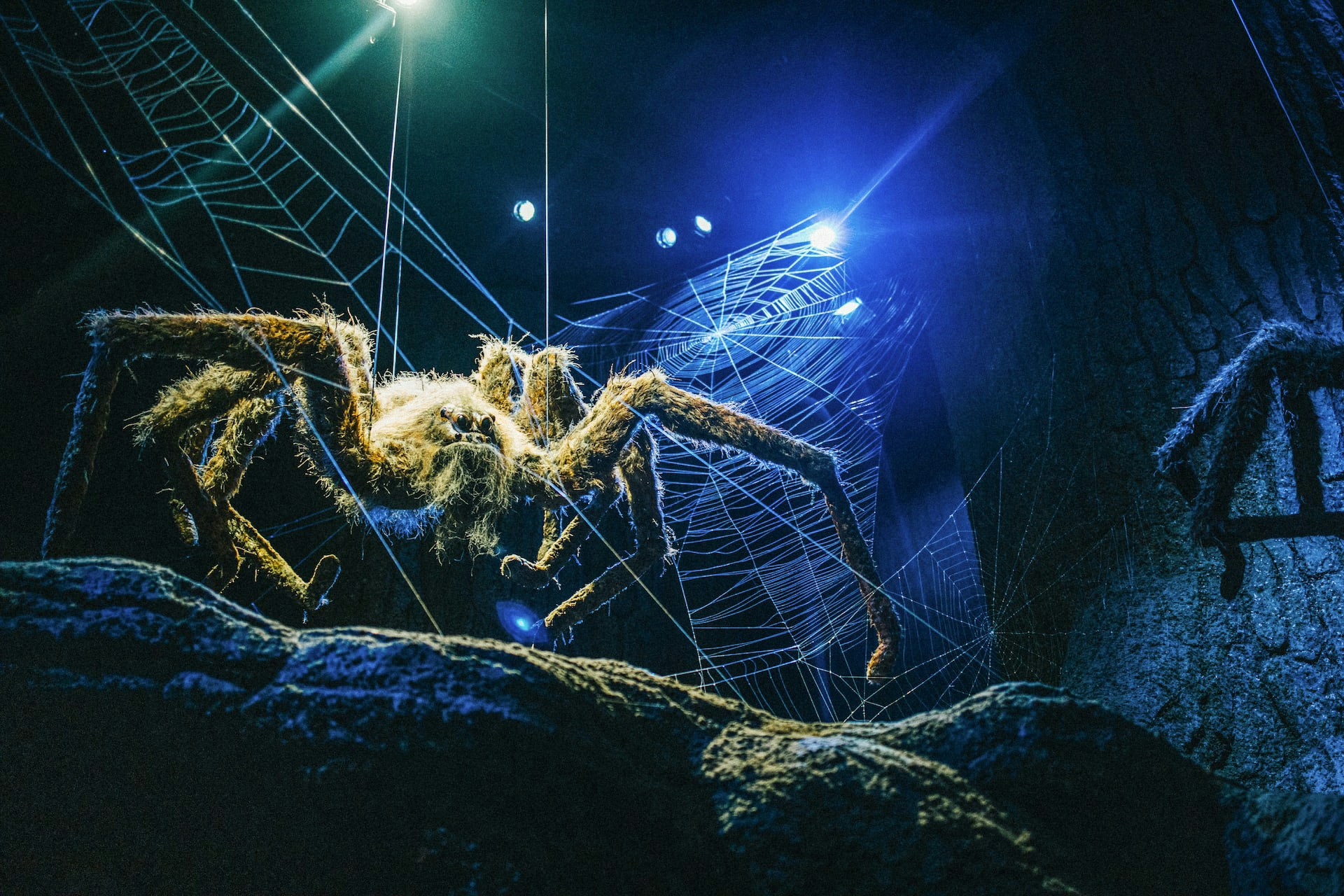
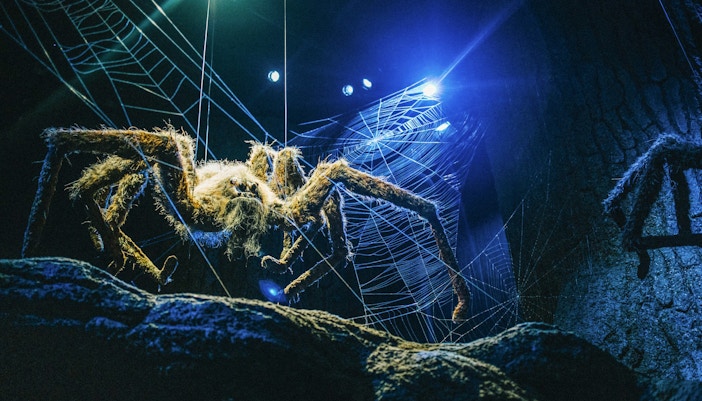
Aragog spider model at Harry Potter Studio Tour, London, showcasing magical creatures.
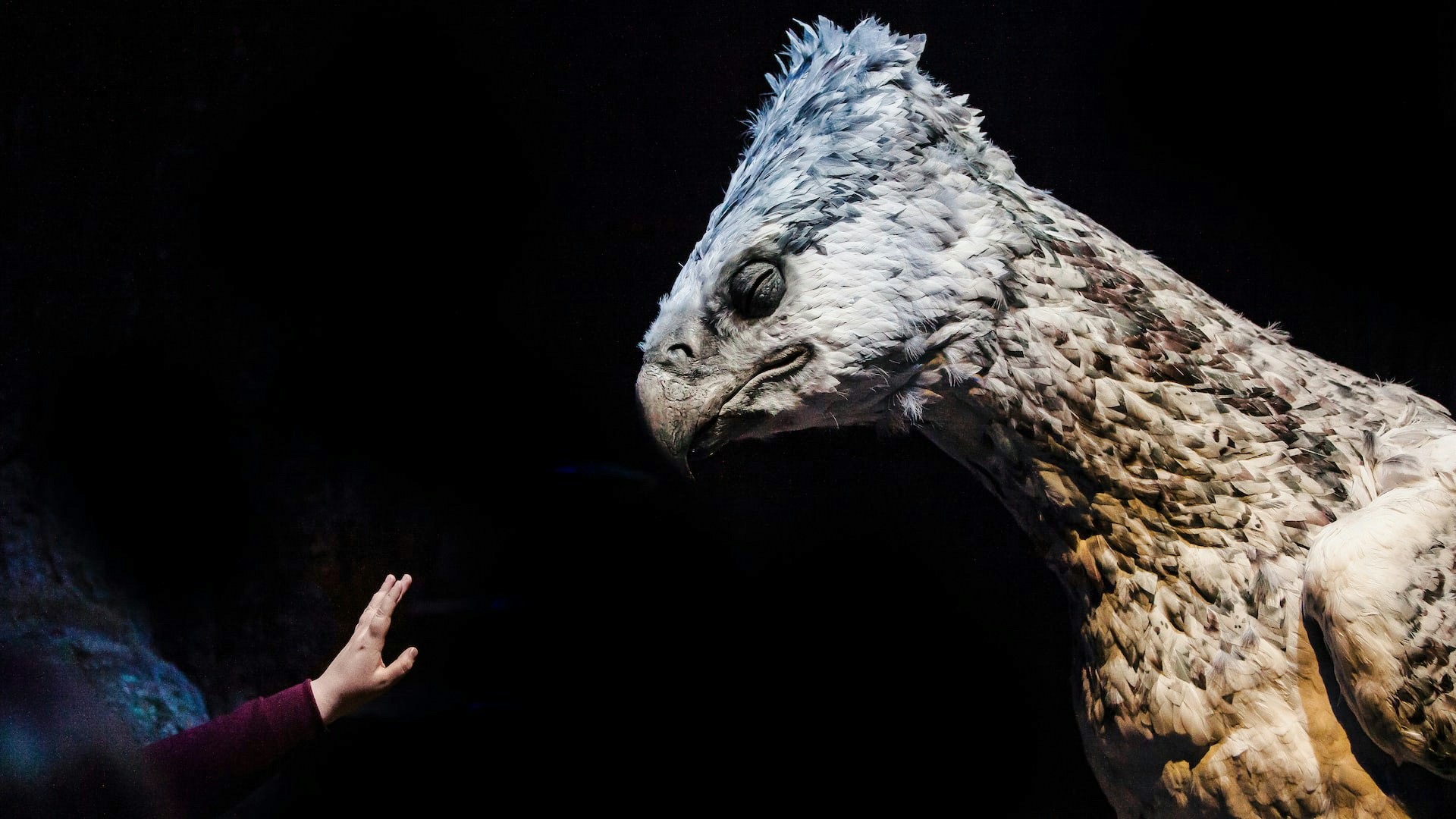
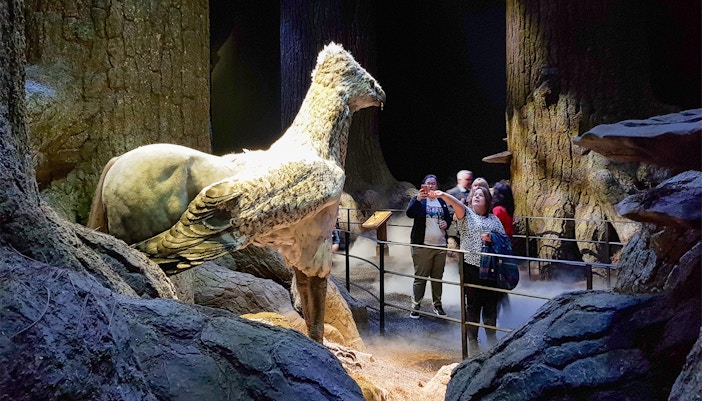
Buckbeak creature exhibit at Harry Potter Studio, showcasing magical creature design.
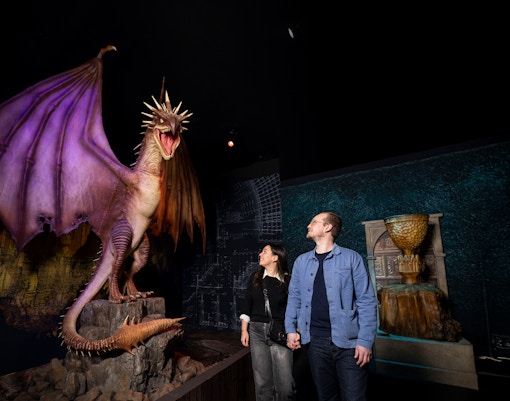
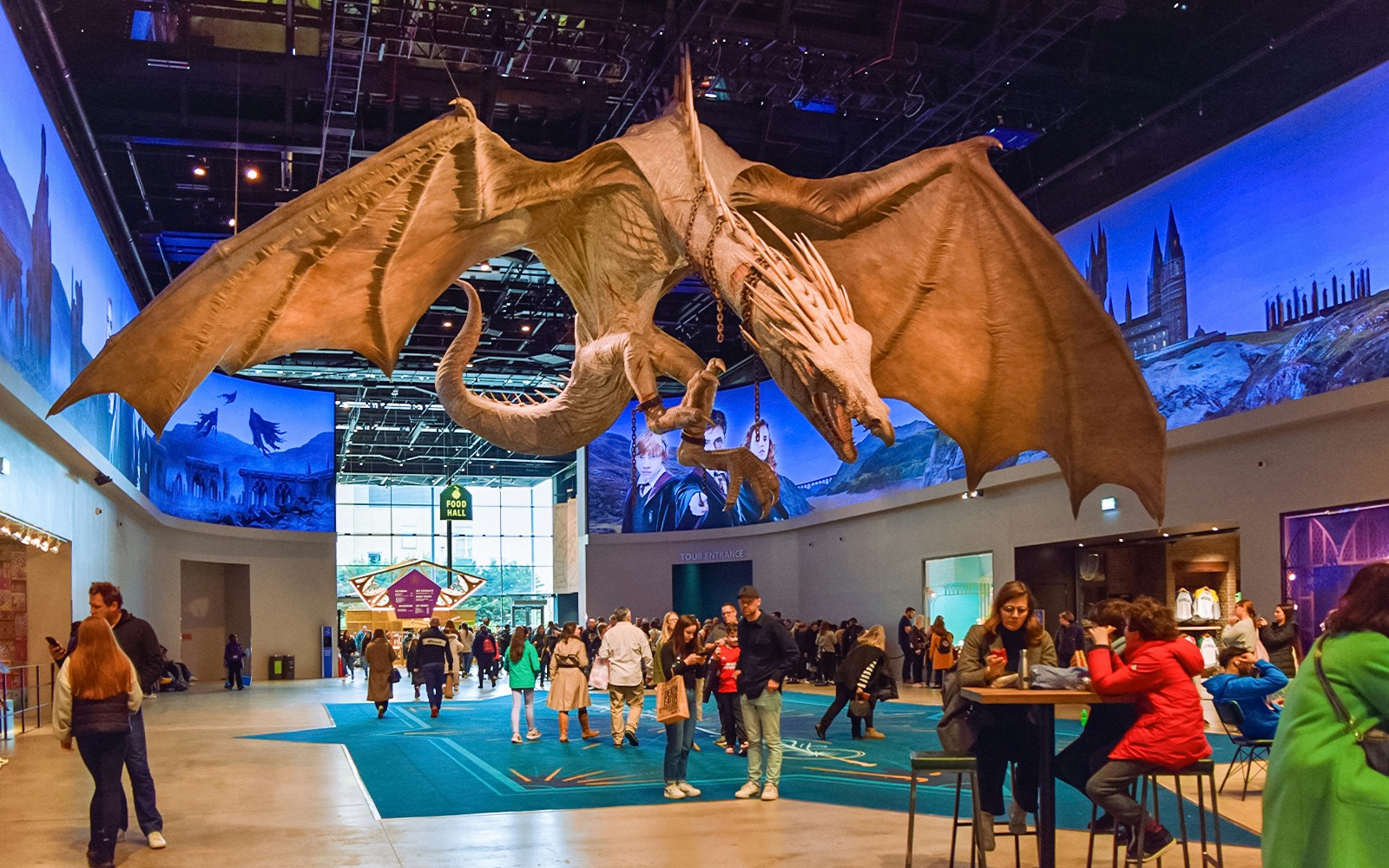
Dragon sculpture in cafeteria area of Harry Potter London tour.
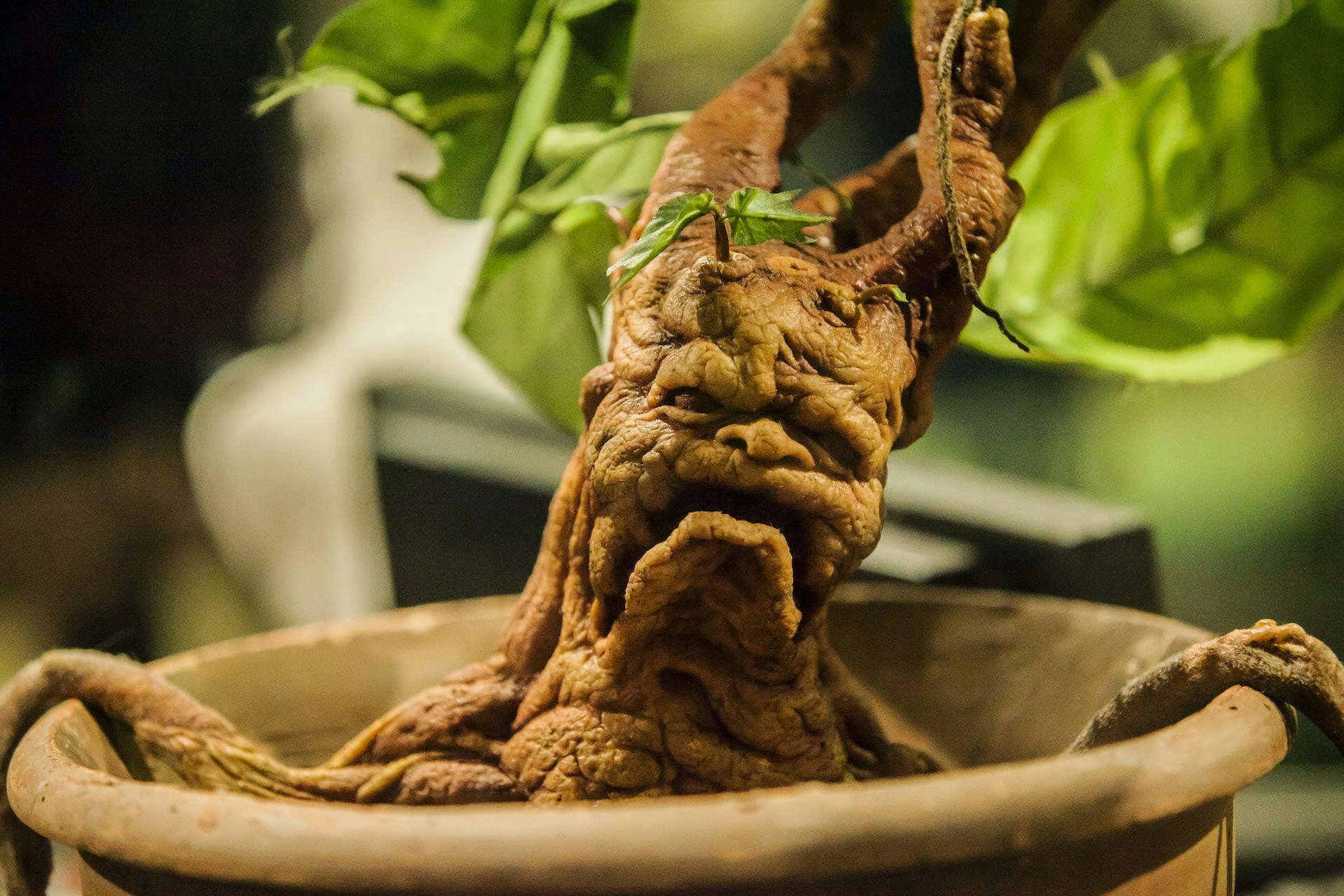
Mandrake plant exhibit at Harry Potter Studio, London.
Costume exhibits in hall at Harry Potter London tour.
Visitors exploring the Magical Mischief exhibit during the Harry Potter London tour.
Harry Potter props display at Warner Bros. Studio Tour London
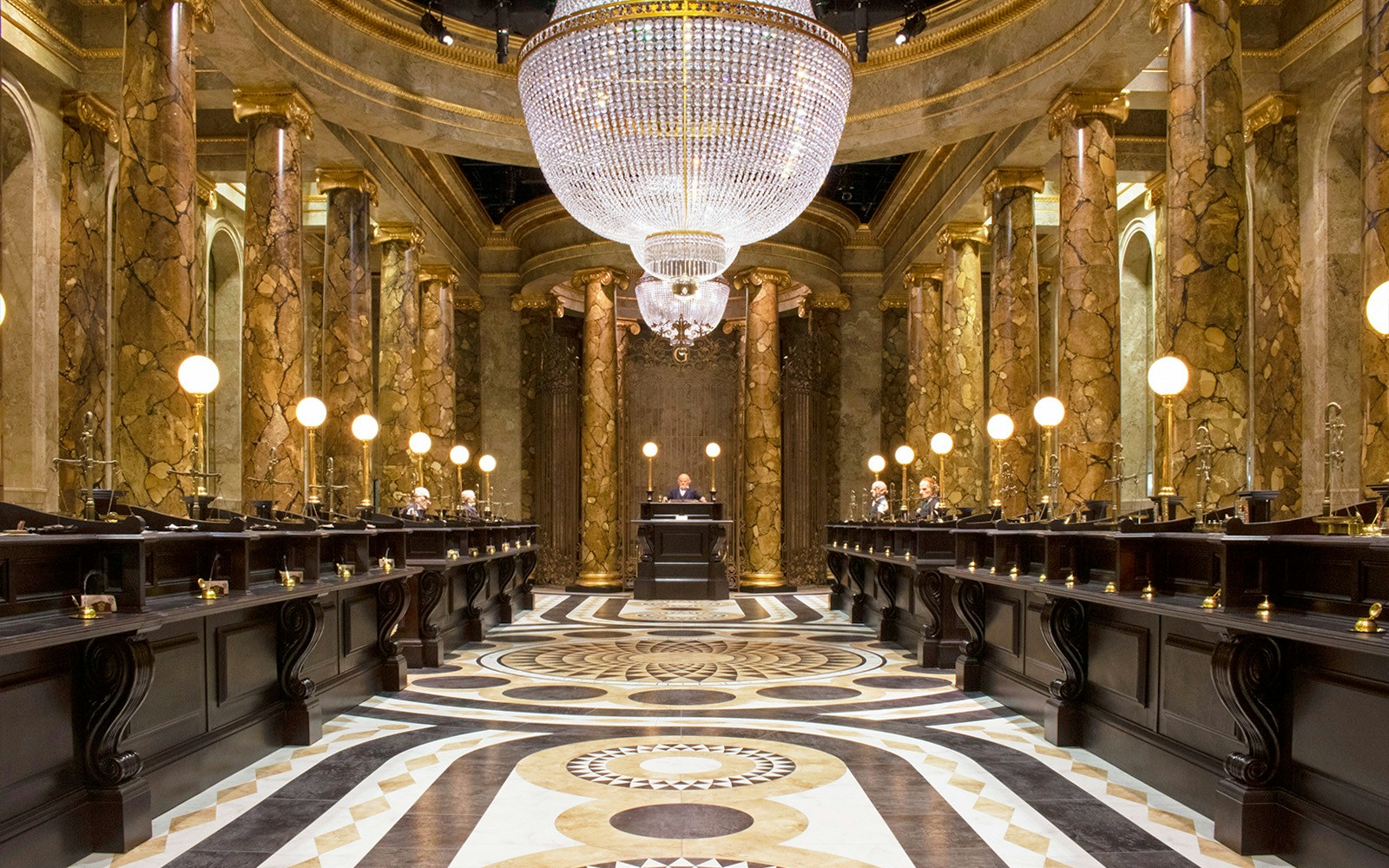
Gringotts Wizarding Bank interior at Warner Bros. The Making of Harry Potter Studio Tour.
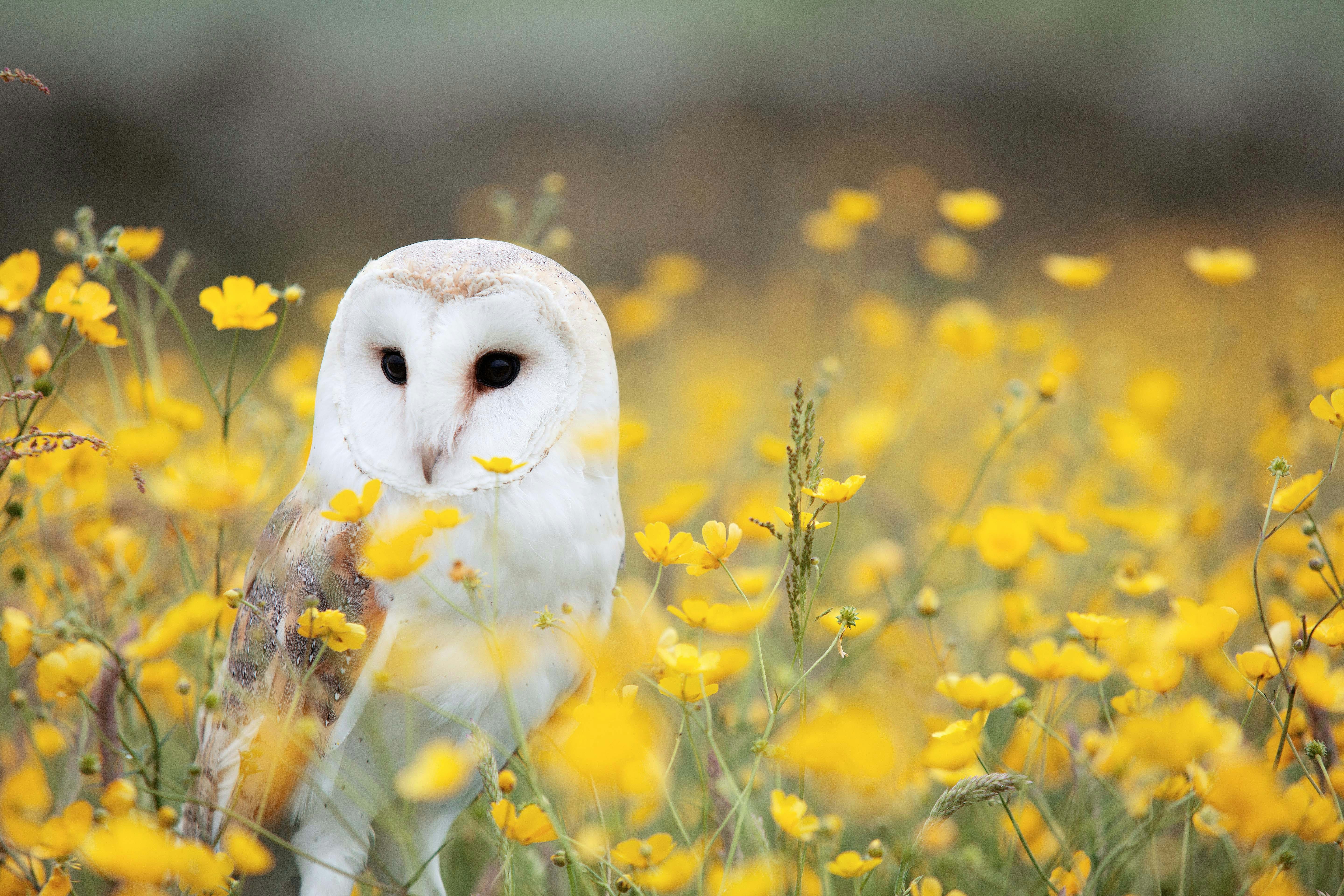
Owl perched on a branch at Harry Potter Making tour in London.
1/10

Basilisk

See the 30-foot animatronic head created for the Chamber of Secrets. It features moving eyes and jaws that open three feet wide.

Aragog

Meet the 18-foot giant spider. Operated by 15 technicians, its legs were covered in hand-stitched yak hair for a terrifyingly real texture.

Forbidden Forest

Buckbeak the Hippogriff

Each of the three animatronic models featured animal-accurate anatomy, allowing for realistic bowing and blinking during close-up shots in The Prisoner of Azkaban.

Forbidden Forest

Thestrals

View the skeletal, leathery models used as physical references for the actors during the filming of Order of the Phoenix.

Ministry of Magic

Mandrakes

These mechanised props feature twitching limbs and screaming faces, engineered to be pulled physically from their pots.

Professor Sprout's Greenhouse

Fawkes the Phoenix

A masterpiece of animatronics, this model mimics lifelike bird movements, including head tilts and wing flutters in The Chamber of Secrets.

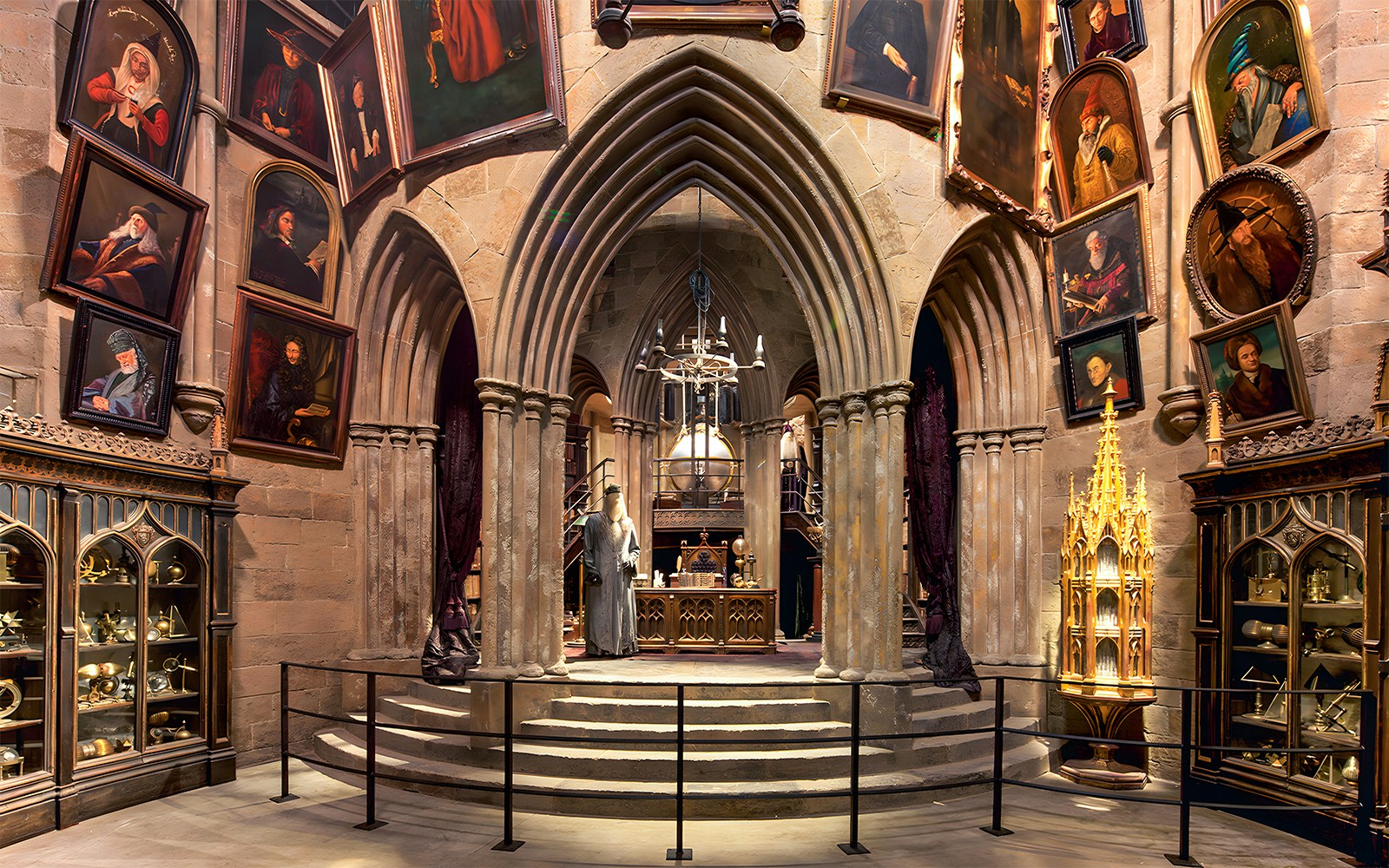
Professor Dumbledore’s office

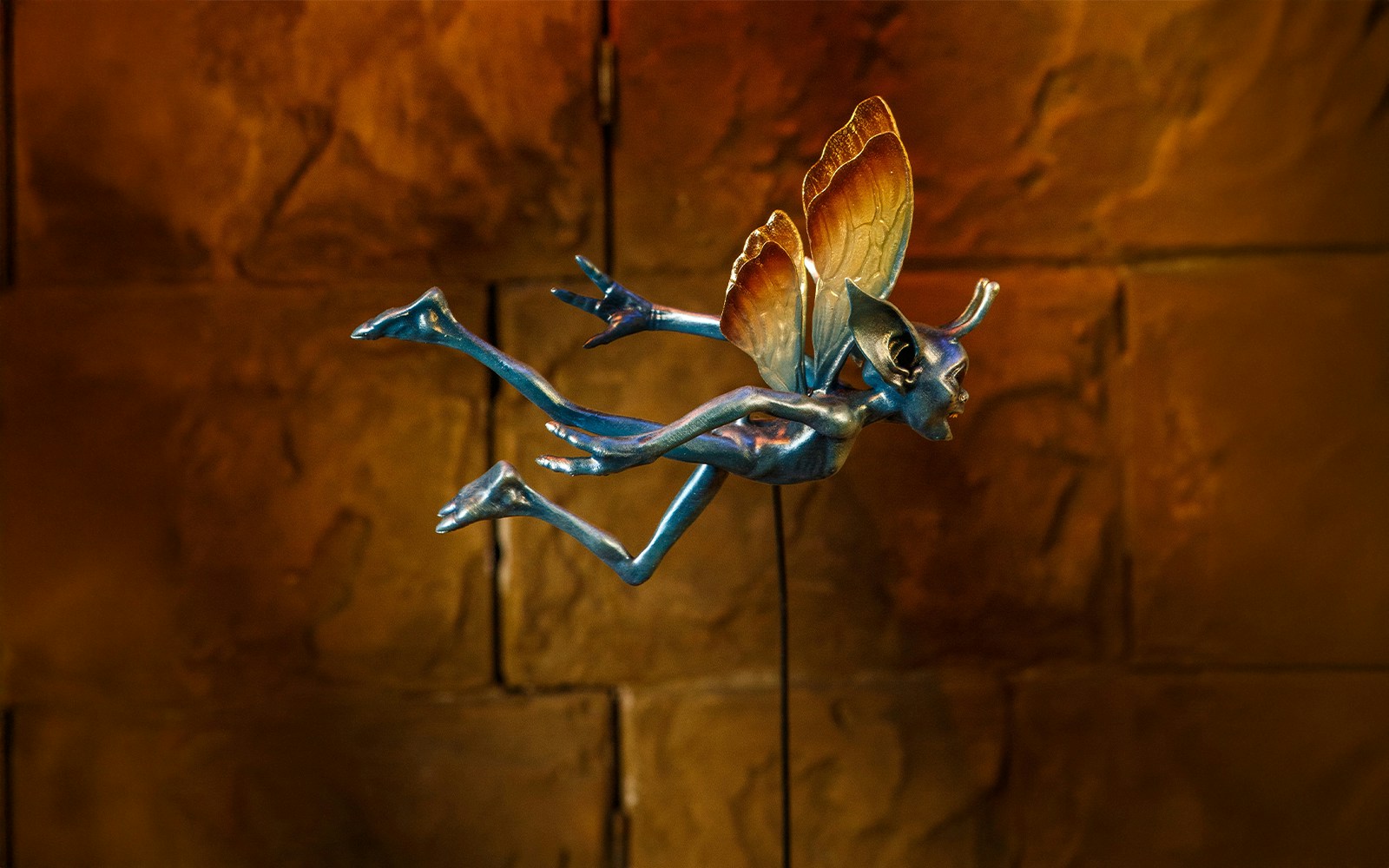
Cornish Pixies

While many were CGI, the physical reference models on display helped actors react to the chaos in Lockhart’s classroom in The Chamber of Secrets.

Monster Book of Monsters

This snarling, snapping textbook is a fully functional animatronic prop that remains a fan favourite in The Prisoner of Azkaban.

Goblins

Marvel at the silicone prosthetic masks. Each goblin was given a unique look with hand-painted details and individual hair punching.

Gringotts Wizarding Bank

Hedwig

Discover how the team used a mix of live owls and highly detailed animatronic models for scenes requiring specific emotional acting.

What was the Creature Effects team’s role in the Harry Potter films?

What they did

The Harry Potter Creature Effects team crafted physical creatures using animatronics, prosthetics, and puppetry. From Aragog’s twitching limbs to goblin facial prosthetics, their work brought magical beings to life on set. These practical creations helped actors interact with creatures realistically and enhanced the immersive quality of key scenes across all eight films.

Examples of their work

Highlights include Buckbeak’s animatronic body with feather-by-feather detailing, Aragog’s giant spider puppet controlled by 15 operators, and the Whomping Willow’s mechanical branches. You can also view Mad-Eye Moody’s radio-controlled eye, the fully motorised Chamber of Secrets door, and individually sculpted goblin prosthetics used in scenes throughout Gringotts and the Ministry.

How they differed from other departments

While the Art Department designed sets and props, Creature Effects created fully functional models like Aragog and Buckbeak. Their focus was engineering movement, realism, and live interaction—not post-production editing. They worked alongside VFX teams to blend real and digital elements, but their creations were physically present and operational during filming.

Notable figures of Creature Effects

Nick Dudman

The legendary Creature Effects Designer who led the department for all eight films.

Sarita Allison

A key prosthetic makeup artist known for her intricate work on the Gringotts goblins.

Warwick Davis

While an actor, his collaboration with the effects team was vital for his roles as Flitwick and Griphook.

Frequently asked questions about Harry Potter Studio creatures

Yes, the majority of the pieces on display are the authentic, practical effects used on set during production.