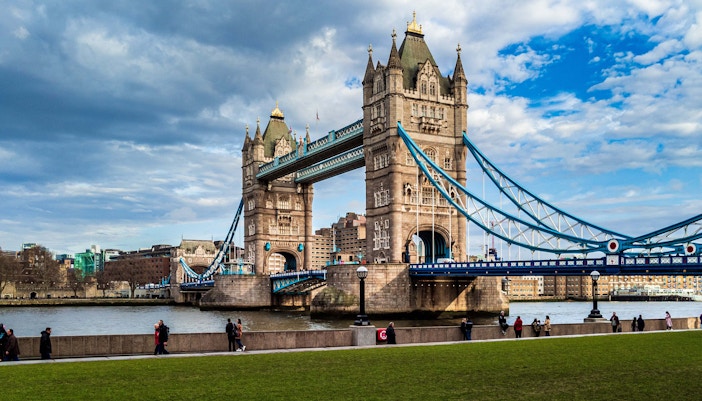
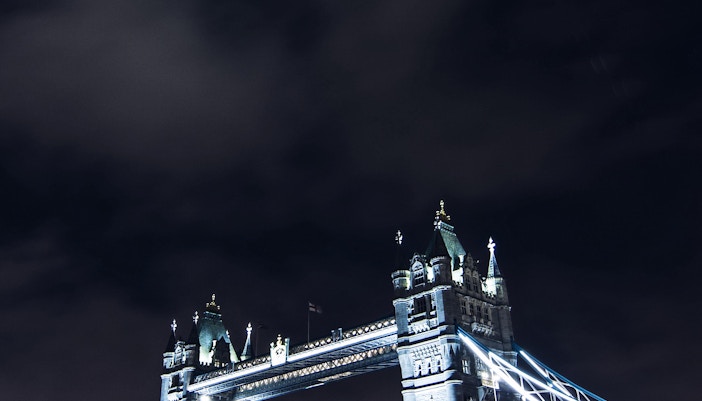
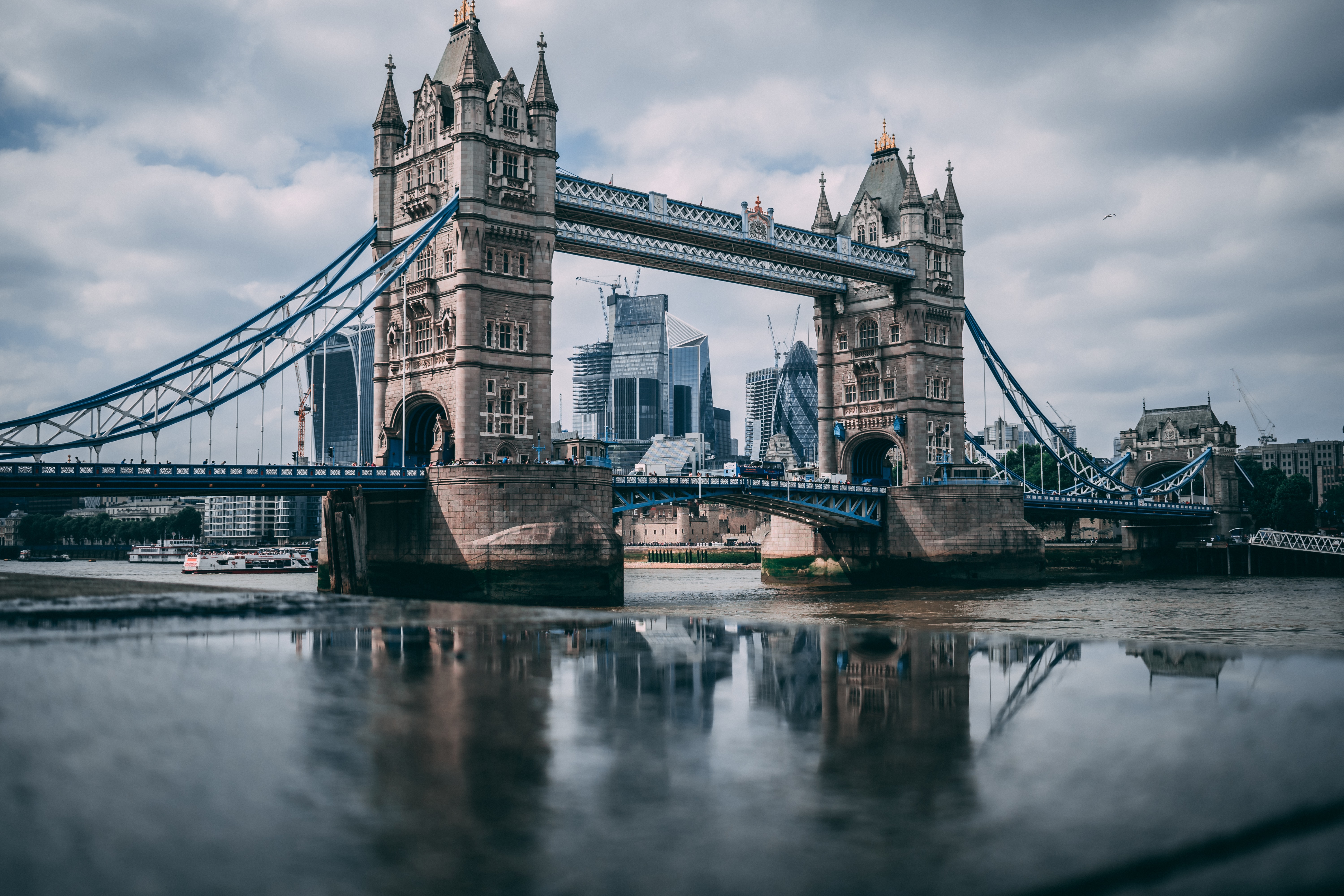
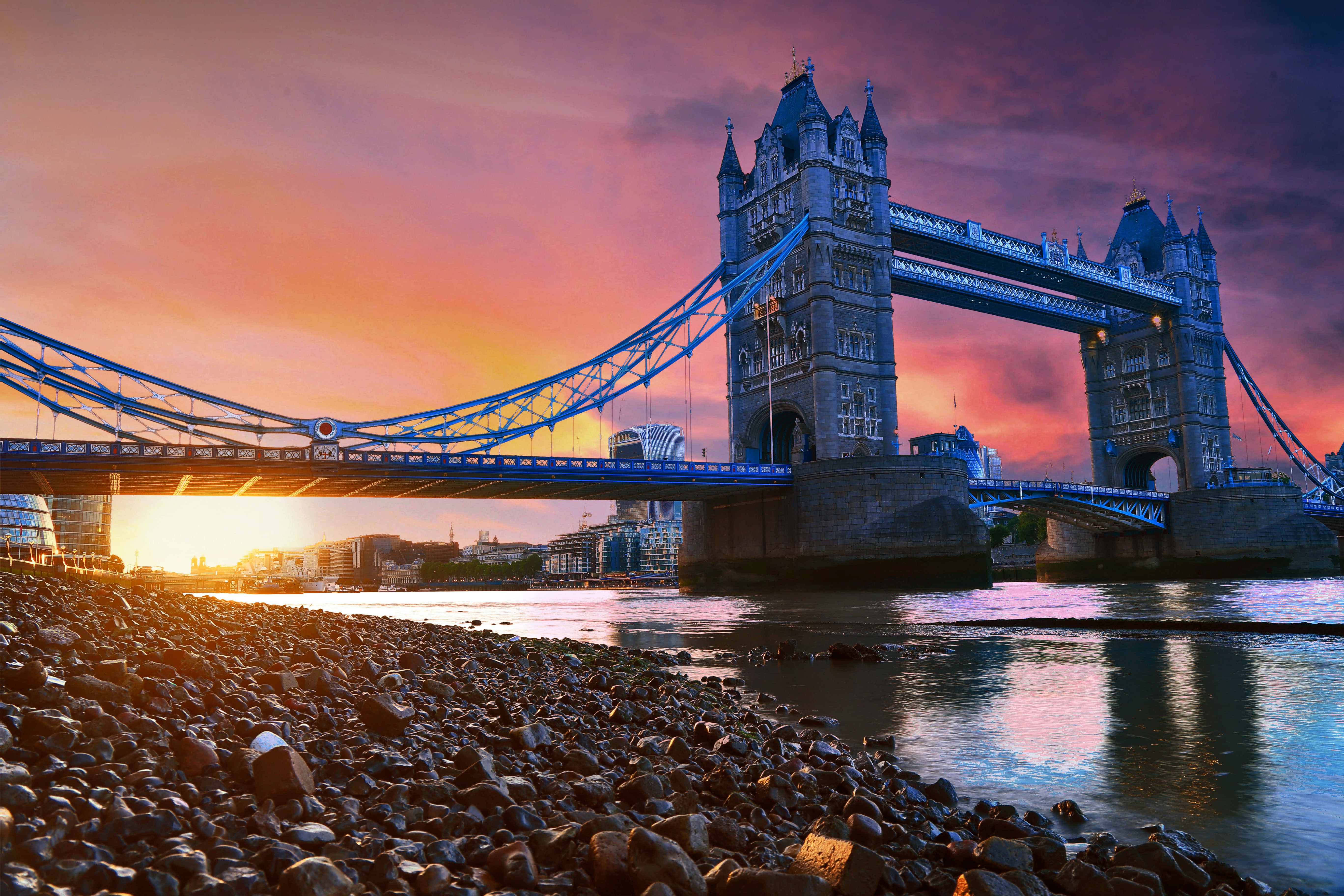
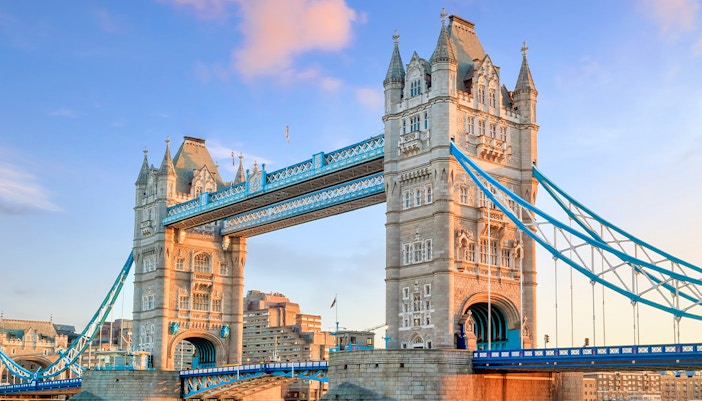
Building the bridge was an epic Victorian challenge. Construction spanned eight years (1886–1894), requiring the dedication of 432 construction workers and five major companies. The final framework used an astounding 11,000 tons of steel, all clad in decorative Cornish granite and Portland stone.
Tower Bridge secrets: 15 facts behind London’s iconic bridge
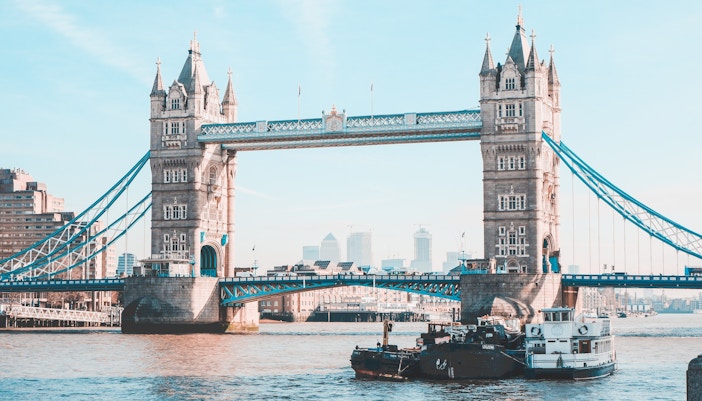
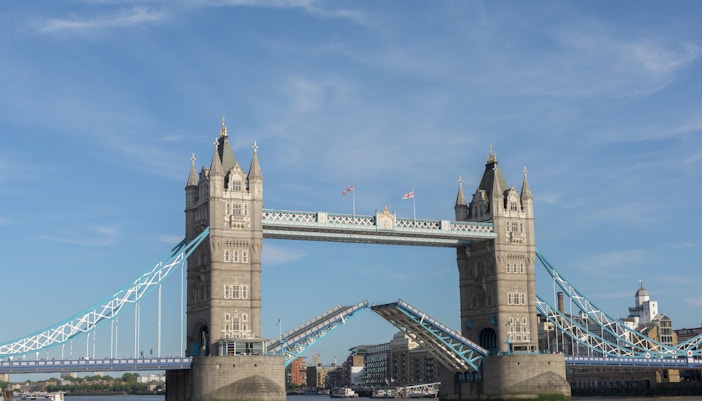
One of London's most iconic landmarks and architectural marvels, the Tower Bridge is a bascule and suspension bridge located above and across the River Thames. It is noted for its unmatched Victorian or Neo-Gothic style of architecture and has two towers connected by two walkways.
15 secrets of Tower Bridge’s design and operation
Final questions: Planning your Tower Bridge visit
Yes, but it is highly discouraged. To avoid long queues and potential sell-outs, you must book a timed ticket online before you arrive.
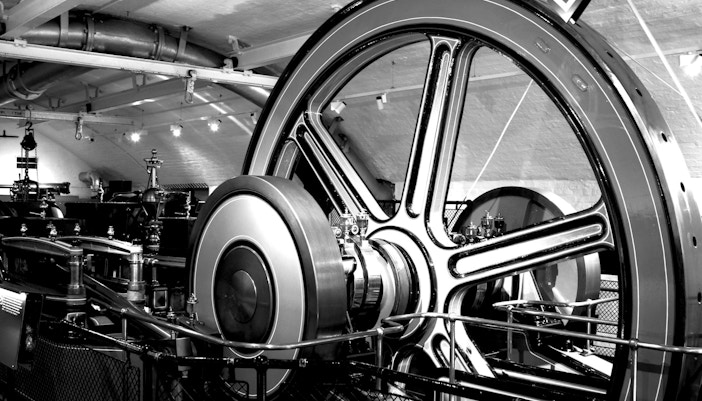
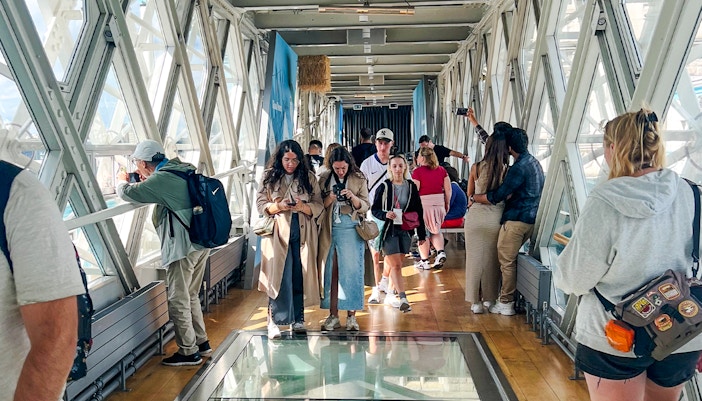
You should allocate 90 mins for the full experience, including the Glass Walkway, both Towers, and the Victorian Engine Room.
The first hour after opening (9:30am) is always the quietest. Weekdays are generally lighter than weekends.
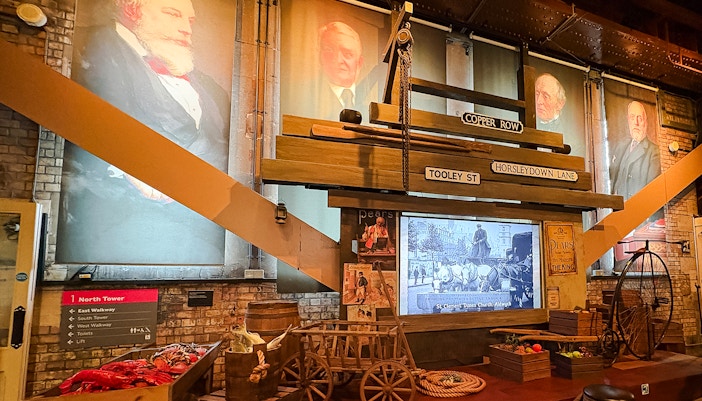
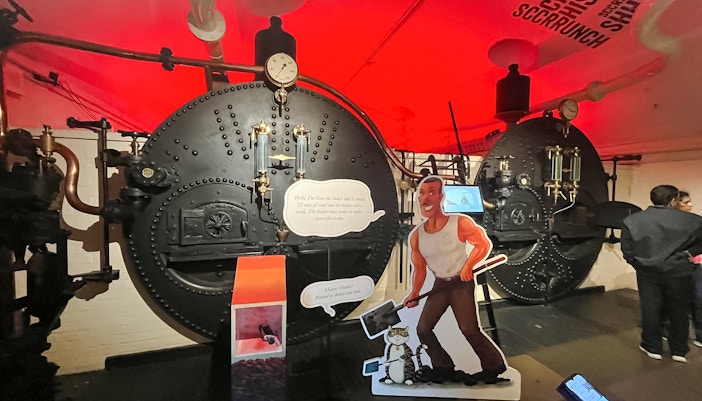
No, the bridge lifts are visible from the public street. However, the only way to experience the mechanism and history is by buying a ticket to the Engine Rooms.
The closest station is Tower Hill (Circle and District lines), which is only a 5-min walk from the North Tower entrance.
The Glass Walkway is optional. You can easily walk around the solid perimeter path if you prefer to avoid the glass, allowing you to enjoy the views comfortably.
While Tower Bridge is not individually listed as a UNESCO World Heritage Site, it is part of the historic ensemble of maritime Greenwich, which has been a UNESCO World Heritage Site since 1997.
.jpg?auto=compress%2Cformat&w=702.4499999999999&h=401.4&q=90&ar=7%3A4&crop=faces&fit=crop)