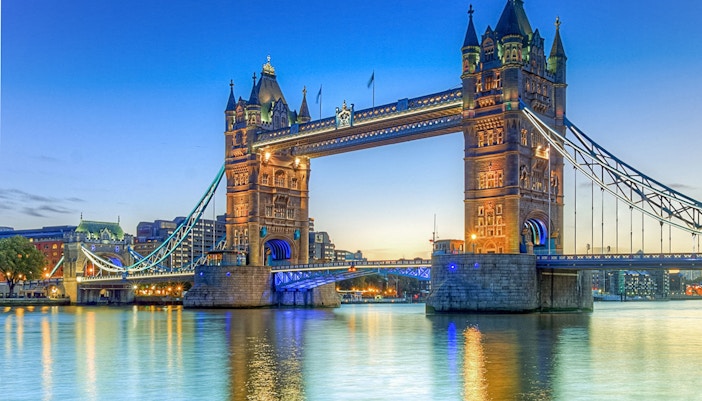
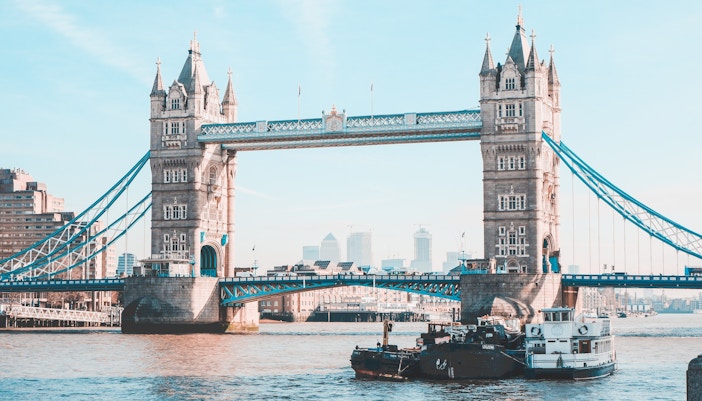
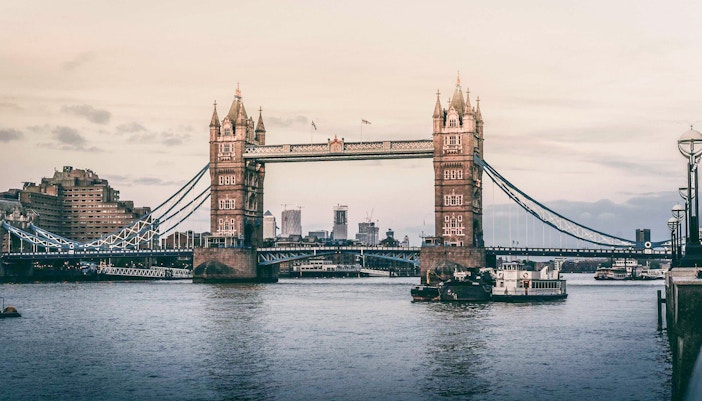
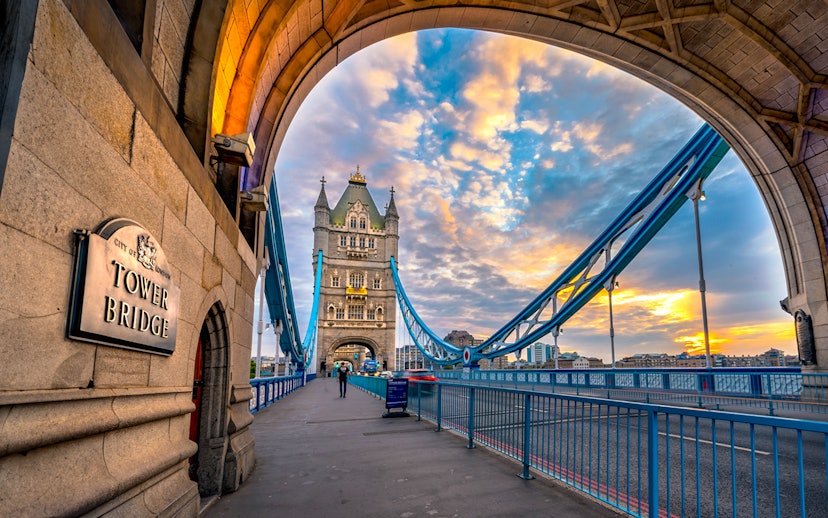
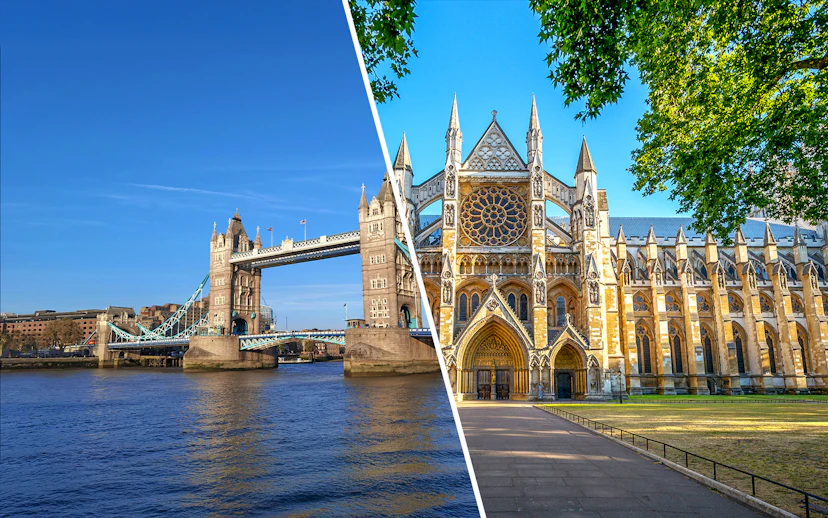
- Must-see highlights: Walk 42 meters above the River Thames on the iconic Tower Bridge glass floor and watch road traffic, river boats, and bridge bascules directly below.
- Current use: The exhibition preserves the historic structure while functioning as a fully accessible museum of Victorian engineering and one of London’s most unique viewing platforms.
- Unique facts: The high-level walkways were originally closed in 1910 because few pedestrians used them. They reopened decades later as part of the Tower Bridge Museum experience.
- Best for: The Tower Bridge Exhibition is ideal for architecture enthusiasts, photographers, families, engineering fans, and visitors wanting panoramic city views from inside one of London’s most iconic landmarks.
This immersive Tower Bridge experience, formerly known as the Tower Bridge Museum, takes visitors inside Tower Bridge itself through the North and South Towers and across the high-level walkways. Along the route, visitors enjoy panoramic London views, walk across the famous Tower Bridge glass floor, and discover the engineering and history behind one of the world’s most recognisable landmarks. The journey concludes inside the original Victorian Engine Rooms.
Unlike simply viewing the bridge from outside, the Tower Bridge exhibition allows visitors to explore the interior structure, learn how the bridge lifts operate, and experience one of London’s most unique elevated viewing platforms above the River Thames.
Where is it located?
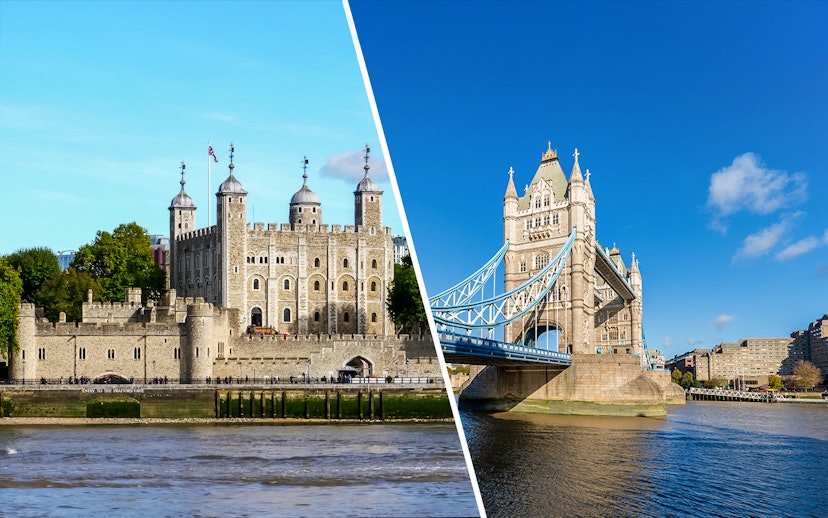
The Tower Bridge Exhibition begins at the North Tower entrance, located on the west side of the tower closest to the Tower of London. The attraction sits beside the River Thames and is easily reached from Tower Hill Underground Station.
The experience follows a linear route through the towers and walkways before finishing at the Victorian Engine Rooms near the South Tower exit.
How to access?
Access to the entire Tower Bridge Exhibition is included with all valid general admission tickets to Tower Bridge. No separate ticket is required for the Glass Walkway, high-level walkways, or Victorian Engine Rooms.
The visit follows a one-way route beginning in the North Tower, continuing across the elevated walkways, and ending in the Engine Rooms near the South Tower. Visitors cannot re-enter once they exit the attraction.
Things to know before booking Tower Bridge Exhibition tickets
- Exhibition access: Access to the Tower Bridge Exhibition, including the Glass Walkway and Engine Rooms, is included with all standard, skip-the-line, and guided combo tour tickets. The price reflects the combination of architecture, Victorian engineering, historical displays, and panoramic London views.
- Timed entry: All tickets require booking a specific time slot. Timed entry helps manage visitor numbers and ensures a smoother experience inside the exhibition spaces and walkways.
- Security checks: All visitors must pass through an airport-style security screening before entering the Tower Bridge attraction. Arrive at least 15 mins before your scheduled ticket time.
- Luggage policy: Large bags, luggage, and oversized rucksacks exceeding 45cm x 35cm x 20cm are not permitted inside the Tower Bridge Museum, as cloakroom facilities are unavailable.
- Visit duration: Most visitors spend between 60 and 90 mins exploring the North Tower, Glass Walkway, panoramic viewing areas, and Victorian Engine Rooms.
- Best time to visit: Morning time slots are usually quieter, while late afternoon visits often provide the best natural lighting for skyline photography from the Tower Bridge walkways.
- Bridge lift timings: The famous bascules still rise regularly for passing river traffic. Checking the scheduled Tower Bridge lift times before booking can make the experience even more memorable.
Tower Bridge exhibition in a nutshell
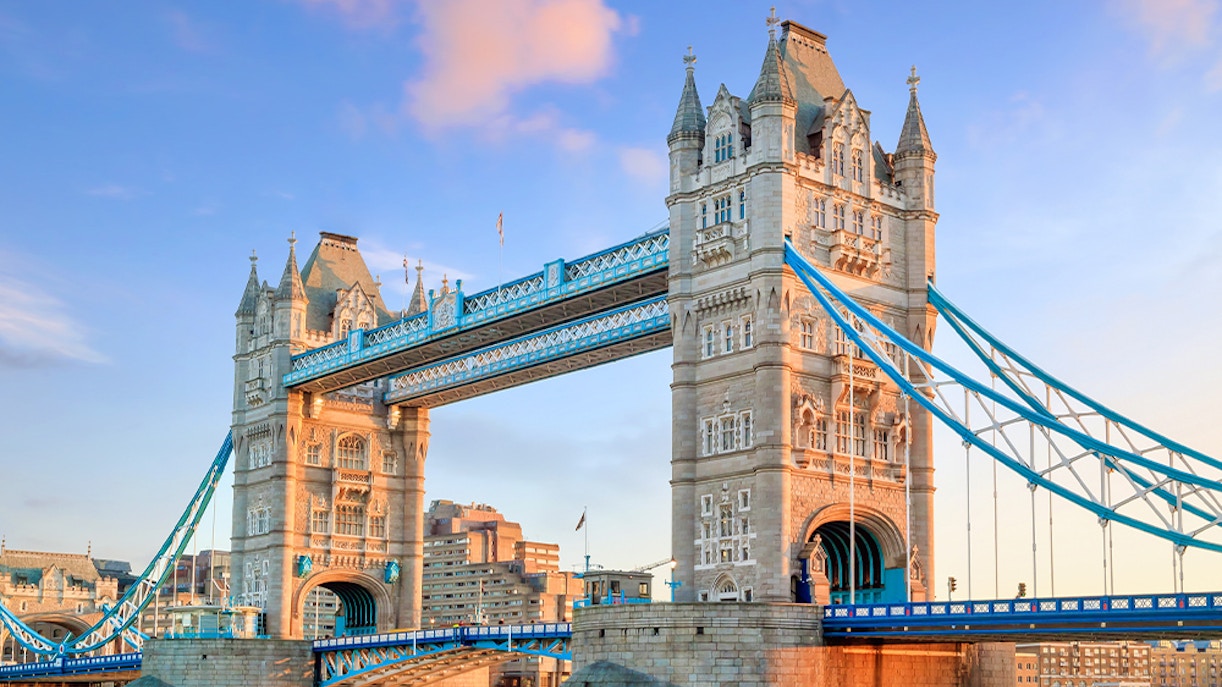
Your Tower Bridge Exhibition ticket types
| Ticket type | Standard entry tickets | Skip-the-line guided tours | Combo tours |
|---|---|---|---|
Is Tower Bridge Exhibition access included? | Yes | Yes | Yes |
Why go for it? | Most affordable option for exploring the Tower Bridge Exhibition at your own pace. | Includes expert commentary about the bridge’s history, architecture, and engineering systems. | Combines the Tower Bridge Museum with entry to another major London attraction. |
Best for | Independent travellers, casual visitors, and budget-conscious tourists. | History lovers, architecture enthusiasts, and engineering fans wanting deeper context. | Visitors planning a full sightseeing day in London. |
Starting price | From £12.80 | From £69 | From £24.98 |
Exploring inside the Tower Bridge Exhibition
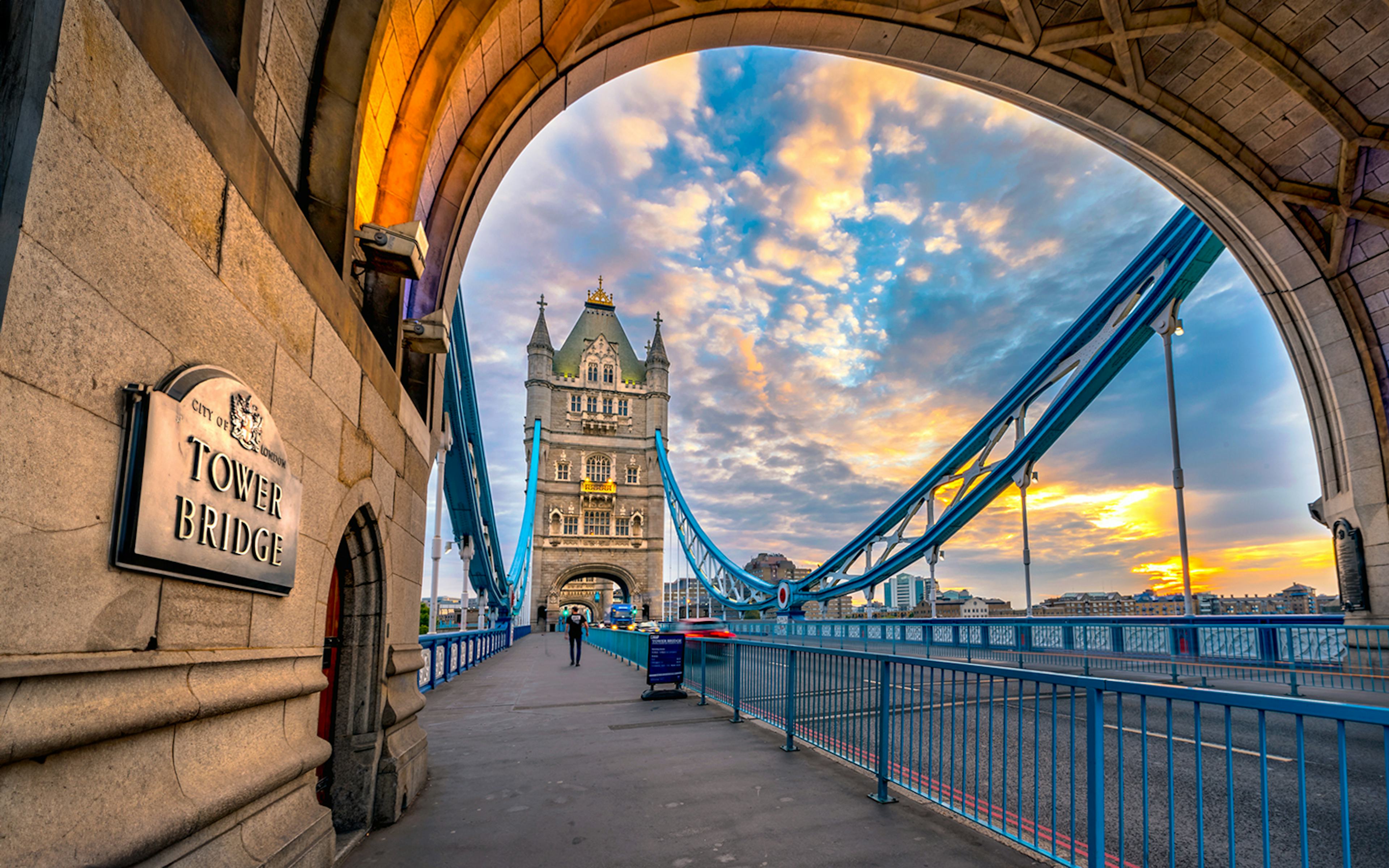
1/3
The North Tower and Victorian history
The exhibition begins inside the North Tower with historical displays, multimedia presentations, and interactive exhibits explaining why Tower Bridge was built. Visitors learn about the international design competition, the bridge’s eight-year construction process, and the social transformation of Victorian London during the late 19th century.
Historic photographs, original engineering drawings, and archival material reveal how the bridge reshaped transport across the River Thames and became one of London’s defining landmarks.
The Glass Walkway (High-level walkways)
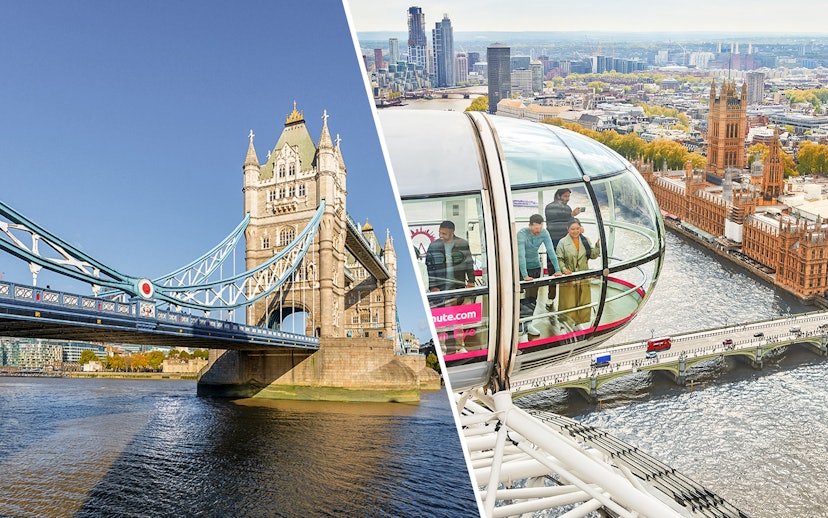
Connecting the North and South Towers, the high-level walkways offer spectacular panoramic views across London. Visitors can spot landmarks including St. Paul’s Cathedral, The Shard, HMS Belfast, Canary Wharf, and the Tower of London from 42 meters above the River Thames.
The famous Tower Bridge glass floor lets visitors look directly down onto moving traffic, river vessels, and the bridge bascules below. Interactive screens throughout the walkway help identify famous landmarks and explain the surrounding cityscape.
The elevated walkways also function as one of London’s lesser-known viewing platforms, making them especially popular for skyline photography and sunset views.
The Victorian Engine Rooms
Located at the base of the South Tower, the Victorian Engine Rooms form the final section of the Tower Bridge Exhibition. This space houses the original steam engines, boilers, coal-burning furnaces, and hydraulic accumulators that powered the bascules until 1976.
Detailed video displays, preserved machinery, and interactive models explain how Victorian hydraulic engineering allowed the bridge to lift for passing ships while supporting busy road traffic above.
The atmospheric soundscape recreates the noise of the original steam-powered machinery, helping visitors imagine what the bridge sounded like during its industrial peak.
Seeing the Tower Bridge lift
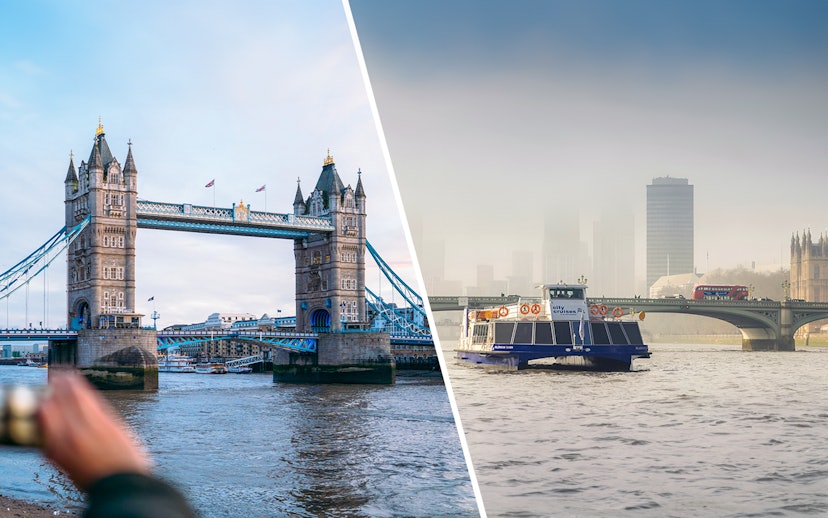
One of the most exciting parts of visiting inside Tower Bridge is witnessing the famous bascules rise for passing river traffic. From the high-level walkways, visitors enjoy a unique overhead perspective of the bridge lift mechanism in motion while boats pass beneath the structure.
Bridge lifts still occur regularly throughout the year for vessels travelling along the River Thames. Lift times are scheduled in advance, so visitors hoping to witness a live opening should check the official timetable before booking their Tower Bridge Exhibition tickets.
A sneak peek of what to expect
Tower Bridge Exhibition
Bascule mechanism
Engine Rooms
Bridge Lifts
Architectural highlights of the Tower Bridge Exhibition
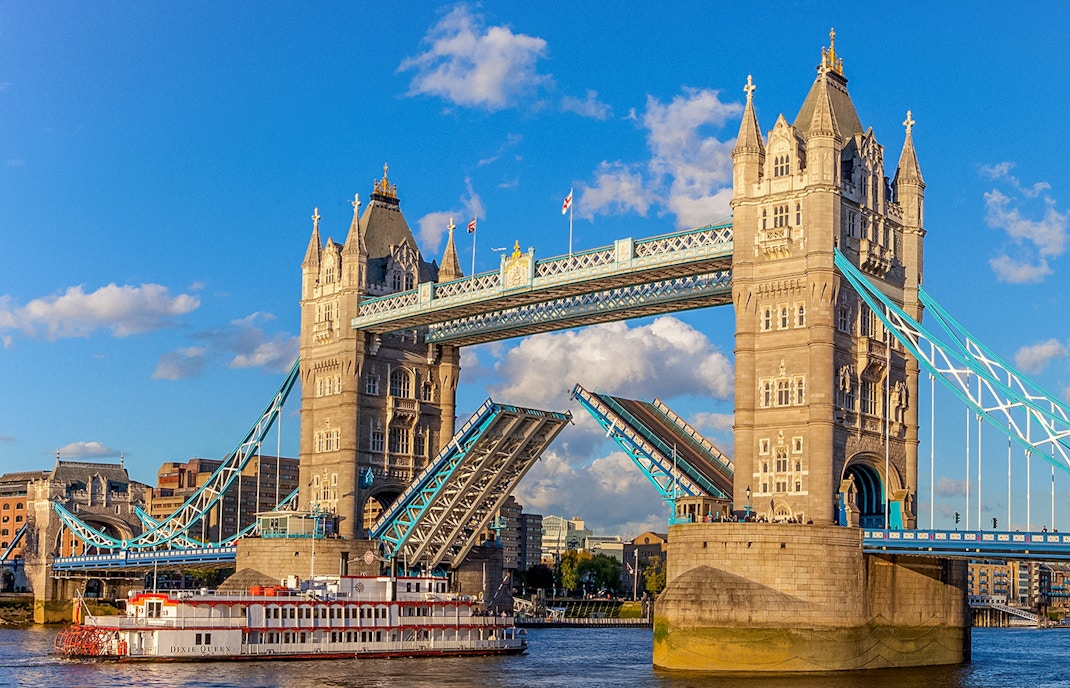
Bascule and suspension design
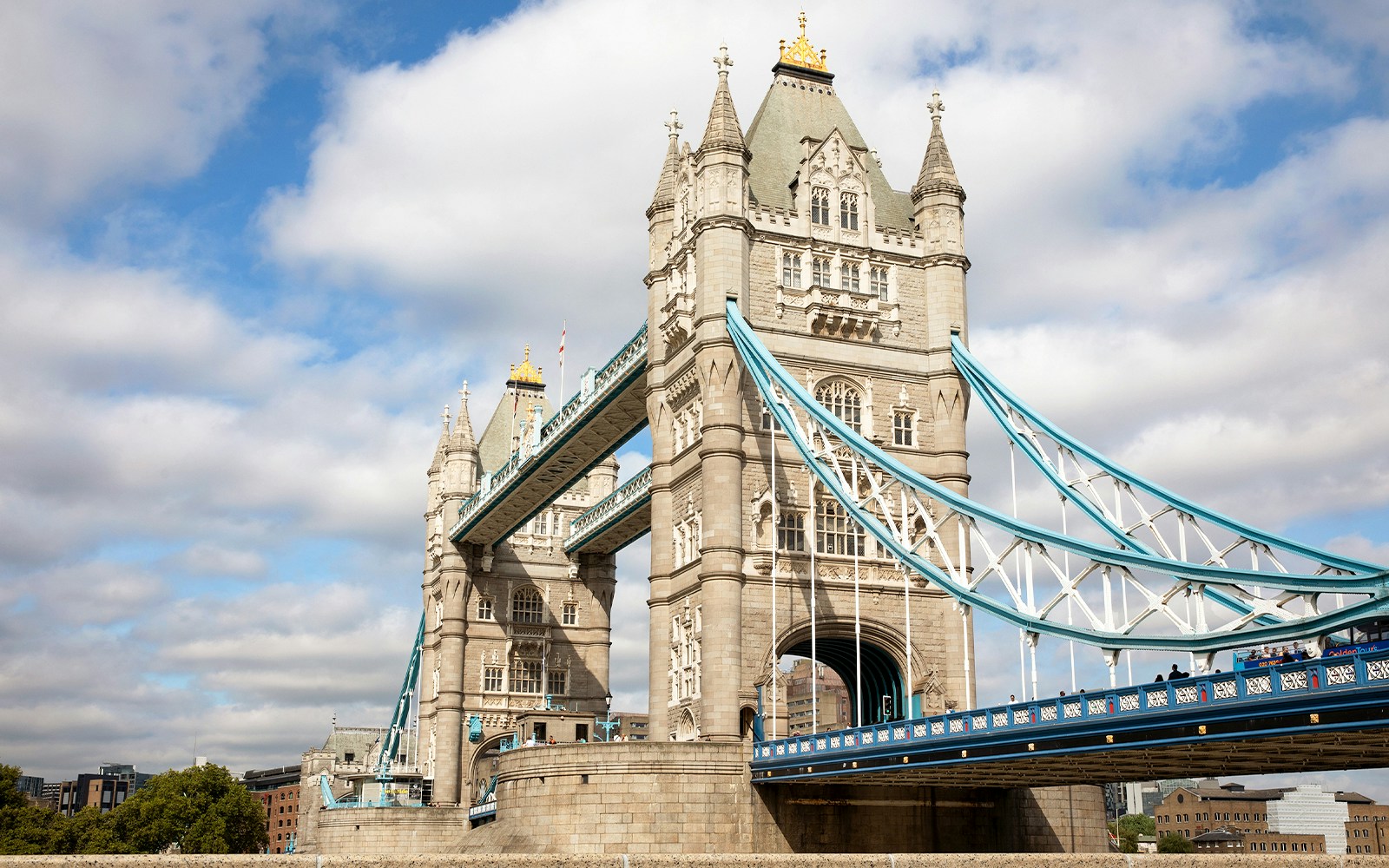
Tower Bridge combines a central bascule bridge with suspension sections connecting the towers to the riverbanks. Designed by Sir Horace Jones and engineered by Sir John Wolfe Barry, this innovative solution allowed tall ships to pass through while maintaining road traffic across the Thames.
Today, the structure remains one of the world’s most famous movable bridges and a defining example of Victorian engineering innovation.
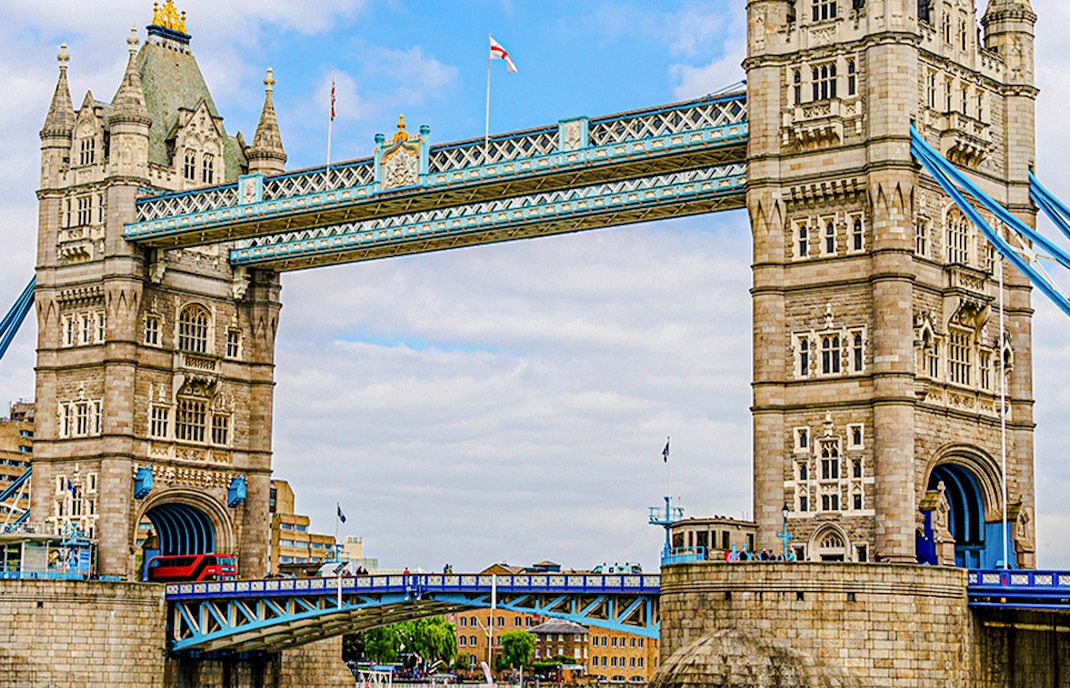
Victorian Gothic cladding
The bridge’s steel framework is clad in Portland stone and Cornish granite to create its distinctive Victorian Gothic appearance. This decorative design choice helped the massive industrial structure visually complement the nearby Tower of London while concealing its steel core.
Cultural significance of the Tower Bridge Exhibition
The Tower Bridge Exhibition preserves one of the world’s most recognisable examples of industrial heritage. By showcasing the original engineering systems and Victorian infrastructure inside the Tower Bridge Museum, the attraction demonstrates Britain’s technological innovation during the 19th century and its response to London’s rapidly growing transport demands.
Today, the exhibition attracts visitors interested in architecture, engineering, London history, skyline photography, and panoramic city views, making it one of the capital’s most distinctive heritage attractions.
The exhibition also highlights that Tower Bridge remains a fully operational crossing and an enduring global symbol of London
Tower Bridge history
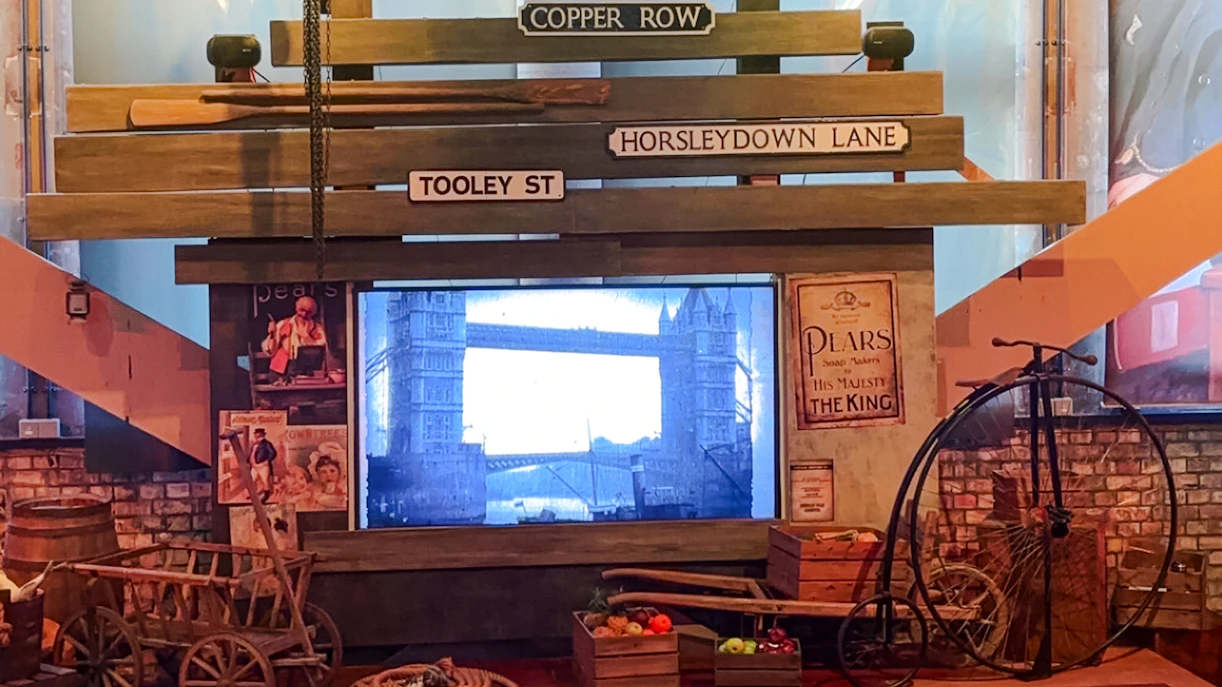
The need for a new river crossing in East London became increasingly urgent during the late 19th century as commercial activity around the River Thames rapidly expanded. After years of debate and public design competitions, the final bascule and suspension bridge proposal by Sir Horace Jones and Sir John Wolfe Barry was approved.
Construction officially began in 1886 and required more than 400 workers, massive steel frameworks, and advanced hydraulic systems for the era. Tower Bridge eventually opened to the public in 1894 and quickly became one of London’s most recognisable engineering achievements.
The high-level walkways were initially intended for pedestrians crossing while the bridge opened below, but low usage led to their closure in 1910. Decades later, the spaces reopened as part of the Tower Bridge Exhibition in 1982, transforming the bridge into both a working crossing and a public visitor attraction.
The original steam-powered hydraulic system remained operational until 1976 before modern electrical systems replaced the machinery. Today, the preserved Victorian Engine Rooms continue showcasing how the bridge once operated during London’s industrial era.
Notable figures of the Tower Bridge Exhibition
Sir Horace Jones
The City Architect who proposed the winning bascule and suspension bridge design combining engineering practicality with a Gothic architectural appearance.
Sir John Wolfe Barry
The chief engineer responsible for refining and executing the bridge’s enormous hydraulic, structural, and mechanical systems.
Albert Gunter
He was the London bus driver who became famous for accelerating his double-decker bus across the opening bascules in 1952, creating one of Tower Bridge’s most legendary real-life stories.
Know before you go
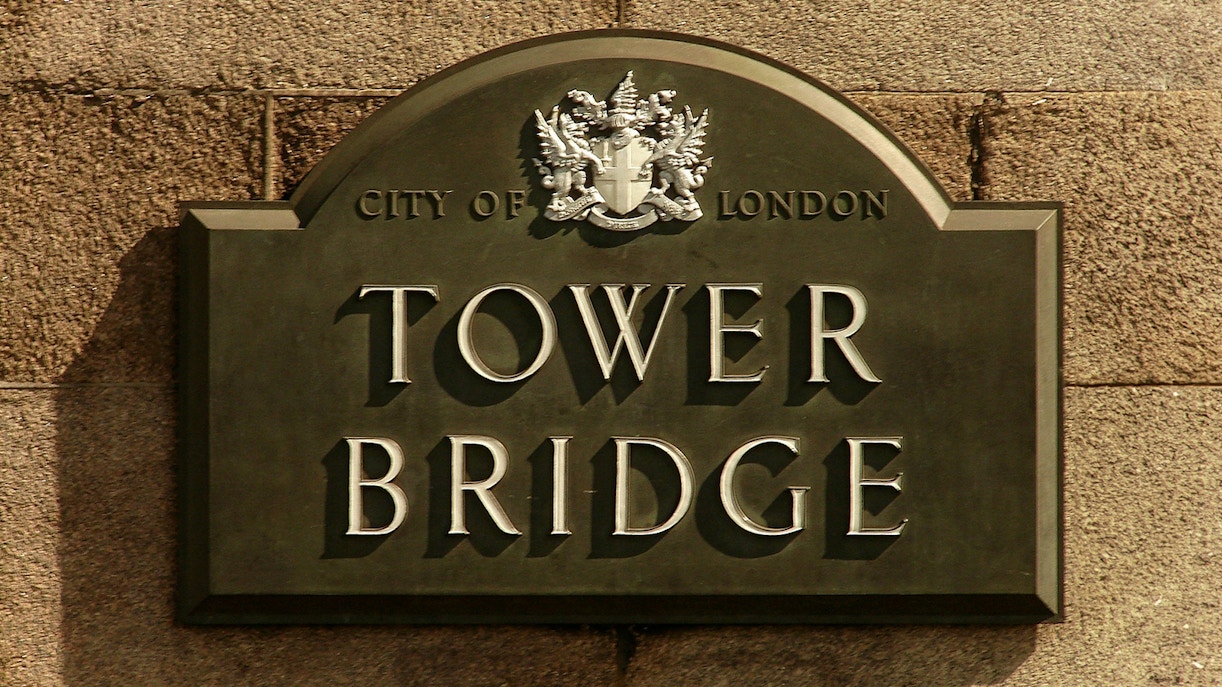
Opening hours: Open daily from 9:30am to 6pm, with last entry at 5pm.
Operating hours may vary seasonally, so always confirm timings before your visit. Visitors are encouraged to allow enough time to fully explore the walkways and Engine Rooms before closing.
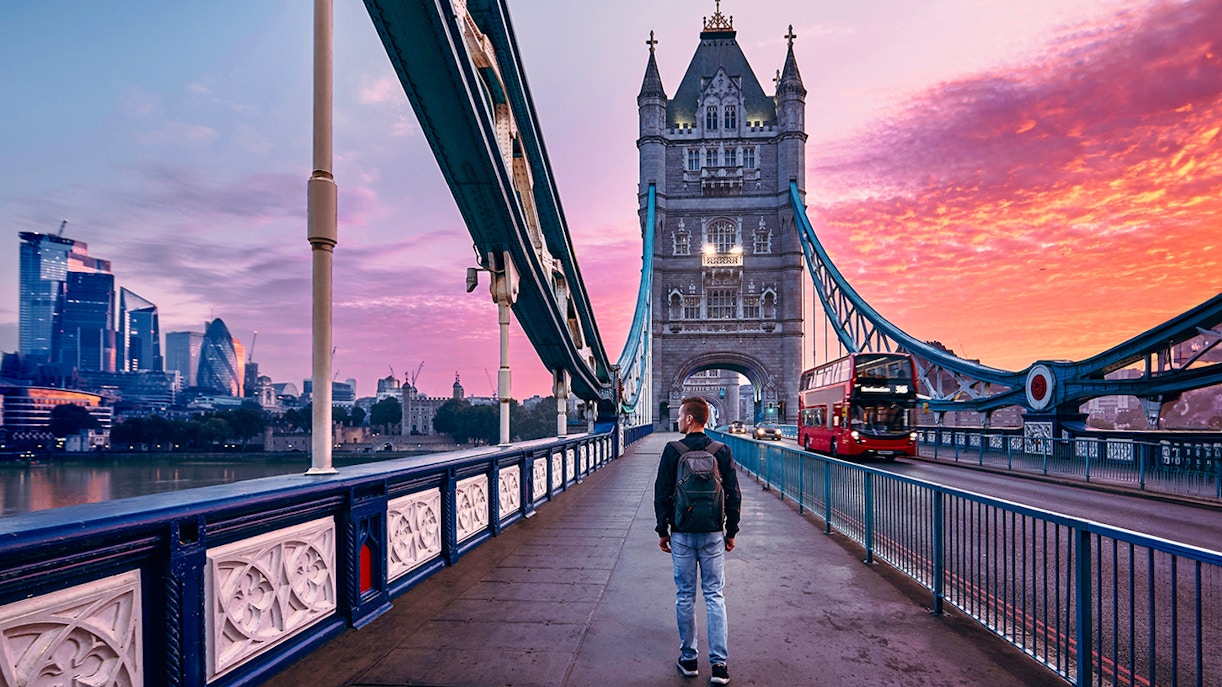
Entry to the Tower Bridge Exhibition is through the North Tower entrance on the western side of the bridge, closest to the Tower of London.
The nearest Underground station is Tower Hill, located a short walk from the attraction.
The visit follows a linear route ending at the Victorian Engine Rooms near the South Tower. Re-entry is not permitted once you exit.
.jpg?auto=compress%2Cformat&w=1222.3999999999999&h=687.6&q=90&ar=16%3A9&crop=faces&fit=crop)
- Wheelchair accessible: The entire Tower Bridge Exhibition is fully accessible for wheelchair users and families with pushchairs.
- Elevator available: Lifts are available inside both towers and within the separate Engine Rooms building. Complimentary wheelchairs are also available for visitors if required.
- Step-free entry: Step-free access is provided throughout the full exhibition route, including the Tower Bridge walkways and viewing areas.
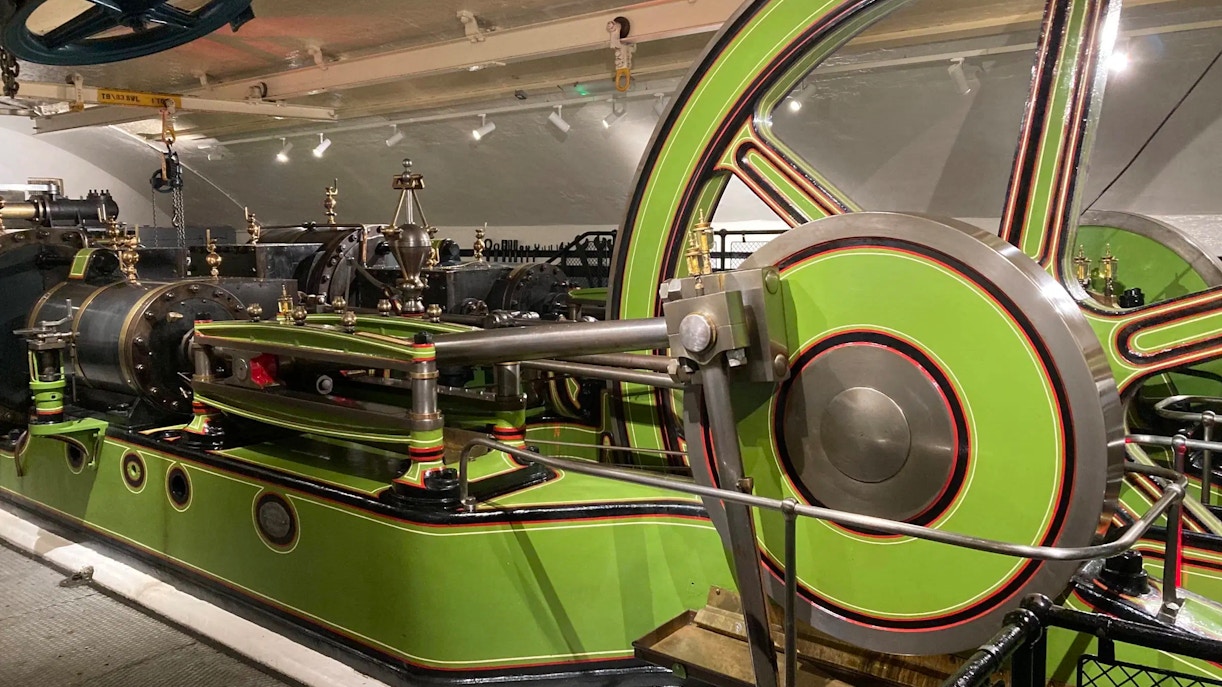
- The Victorian Engine Rooms feature an immersive soundscape recreating the noise of the original steam engines, making the atmosphere especially memorable.
- Arrive at least 15 mins early to allow time for security screening before entering the attraction.
- Clear weather conditions typically provide the best long-distance skyline visibility from the Glass Walkway, particularly during late afternoon hours.
- The transparent glass floor may initially feel intimidating for some visitors, but most quickly adjust after stepping onto the panels.
Frequently asked questions about Tower Bridge Exhibition tickets
Yes, all Tower Bridge Exhibition tickets include full access to the Victorian Engine Rooms, which form the final section of the visitor route.
Yes, access to the famous Tower Bridge glass floor and high-level walkways is included with all valid admission tickets.
All visits operate on timed entry slots. While some tickets include faster entry benefits, all visitors must still pass through the mandatory security screening queue.
Most visitors spend approximately 60 to 90 mins exploring the towers, panoramic walkways, Glass Walkway, and Victorian Engine Rooms.
All visitors enter through the main North Tower entrance located on the western side of Tower Bridge near the Tower of London.
Yes, free multilingual audio guides are available through a downloadable app to help visitors explore the Tower Bridge Museum experience in greater detail.
Yes, the attraction combines London skyline views, Victorian engineering, interactive historical exhibits, and access inside one of the city’s most famous landmarks.
Yes, pedestrians can walk across the lower roadway of Tower Bridge free of charge. However, tickets are required to access the high-level walkways and Tower Bridge Exhibition.
Yes, the elevated walkways provide excellent views of the bascules lifting for river traffic. Checking the official lift schedule before your visit improves your chances of seeing the bridge open.
Visitors can see The Shard, St. Paul’s Cathedral, HMS Belfast, Canary Wharf, the Tower of London, and sweeping River Thames views from the high-level walkways.
Visitor toilets are available inside the attraction. However, the exhibition itself does not contain a full café facility.
Yes, the Tower Bridge Exhibition is very family-friendly, featuring interactive displays, dramatic city views, and engaging historical exhibits suitable for children.
Yes, children are welcome on the Glass Walkway. Many families find it one of the most exciting and memorable parts of the Tower Bridge experience.
No strict dress code applies, though comfortable footwear is recommended since the visit involves walking and standing throughout the exhibition route.