Picture young Marie Tussaud at 28, crafting lifelike wax heads while Paris erupts in revolutionary chaos. She captures defiant faces and deathly pallor, turning fear and horror into mesmerizing figures that mesmerize locals and plant the seeds of a lasting legacy.
Madame Tussauds history under a minute I How it all started
From royal death masks to modern pop icons, Madame Tussauds London began as a bold idea rooted in craftsmanship and curiosity. This history traces how Marie Tussaud’s work survived revolutions, crossed borders, and slowly became one of London’s most talked about attractions.
Madame Tussauds timeline
- 1789: Marie Tussaud works amid the French Revolution, modeling wax heads while Paris churns with unrest and political chaos.
- 1793: Imprisoned during the Terror, Marie survives by creating death masks from guillotined figures including Marie Antoinette.
- 1802: Marie sails to Britain, touring provincial towns with a gripping traveling wax exhibition that draws crowds nightly.
- 1835: Madame Tussauds opens at Baker Street Bazaar, introducing Londoners to sensational historical scenes and notorious criminals.
- 1884: The attraction relocates to Marylebone Road, expanding displays and cementing its status as a major London draw.
- 1925: A devastating fire destroys hundreds of wax figures, sending melted remnants flowing dramatically onto the street.
- 1928: Madame Tussauds reopens stronger, rebuilding figures and adding a cinema using recycled wax from losses earlier.
- 1940: World War II bombing destroys hundreds of heads, yet the museum survives with remarkable resilience intact spirit.
- 1985: A Marvel Super Heroes zone debuts, bringing comic book characters into the wax spotlight for fans worldwide.
- 1993: The Spirit of London ride launches, whisking visitors through centuries of city history by taxi styled journey.
- 2000s: Star Wars and Marvel collaborations arrive, adding cinematic sets, iconic heroes, and immersive storytelling for global audiences.
- 2020s: Madame Tussauds refreshes its spaces, unveiling hyper realistic royals and action packed Marvel experiences for modern visitors.
History of Madame Tussauds explained
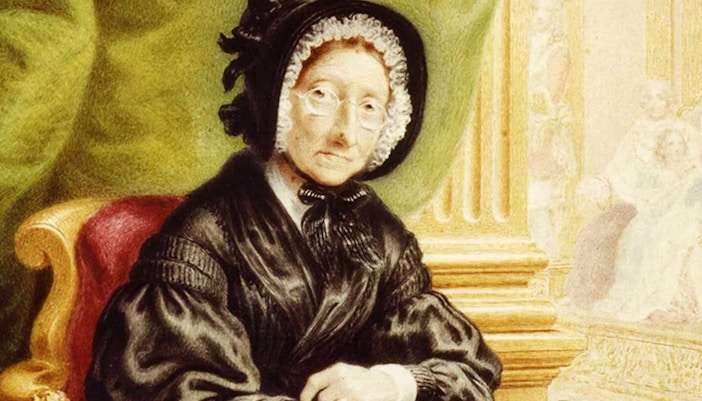
Revolutionary beginnings (1789)
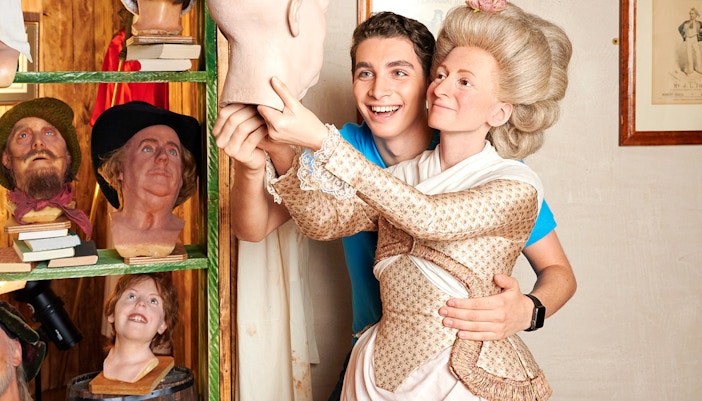
Survival through death masks (1793)
Imprisoned during the Reign of Terror, Marie molds fresh death masks of guillotined royals including Marie Antoinette. Her skill spares her life and creates the chilling foundation for the Chamber of Horrors, proving wax can preserve history even through blood and chaos.
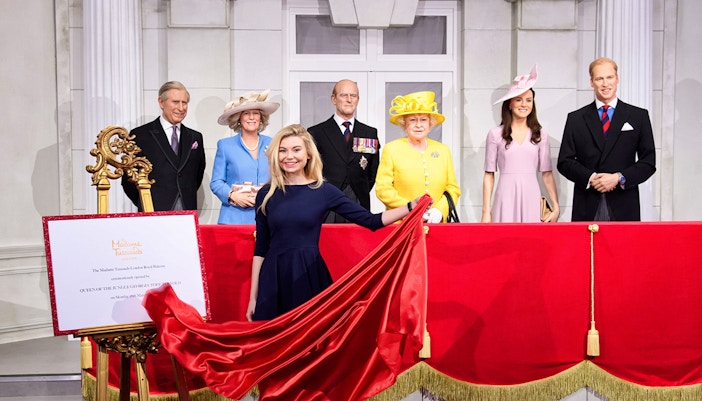
British wax roadshow (1802)
Widowed Marie sails to Britain with portable waxworks, touring towns from Edinburgh onwards. Crowds marvel at revolutionary figures and celebrity likenesses under flickering lamps. Her roadshow turns fear into fascination and establishes her as a traveling spectacle that captivates every audience.
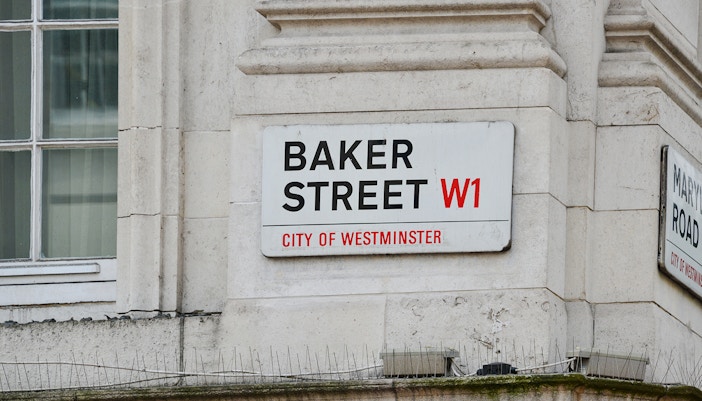
Baker Street Bazaar opens (1835)
At age 74, Marie and her sons opened a permanent exhibit at Baker Street Bazaar. Londoners queue to see notorious criminals and dramatic historical scenes. The Chamber of Horrors thrills with eerie gaslit displays, merging education and suspense for Victorian audiences.
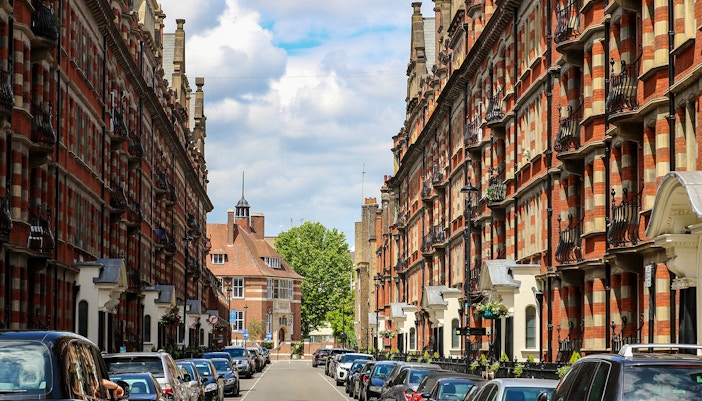
Move to Marylebone Road (1884)
Marie’s grandsons shift the museum to Marylebone Road, expanding halls with royalty, stars, and rogues. Moving panoramas and electric lights enchant visitors, transforming a roadside oddity into a premier London attraction where wax monarchs and heroes dazzle crowds endlessly.
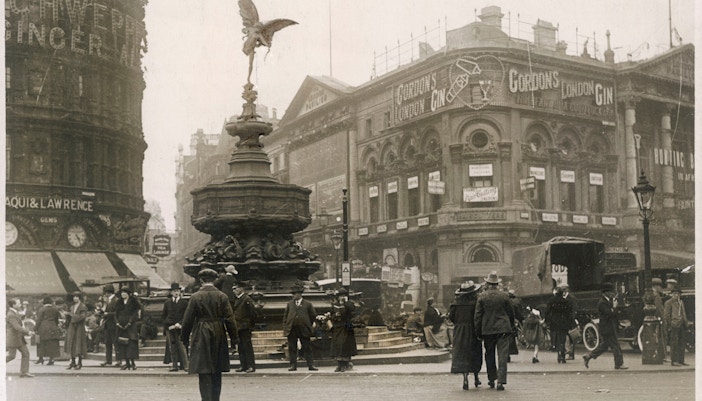
The great wax fire (1925)
A fire destroys 400 wax figures, spilling molten wax into Baker Street. Crowds gape at surreal melted forms of Napoleon and Queen Victoria while the family salvages what they can, turning disaster into a dramatic story that becomes part of the museum’s lore.
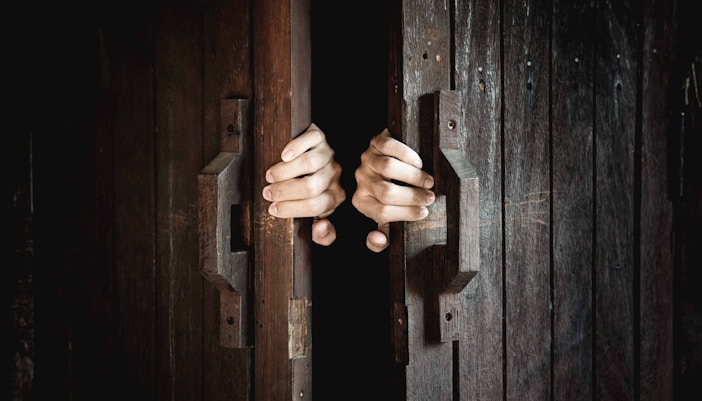
Rebuilding after fire (1928)
Madame Tussauds rises again with a thousand new wax figures, blending old faces with recycled wax. A new cinema adds talking films, and the grand reopening dazzles visitors, showing that the museum can reinvent itself while keeping its eerie charm intact.
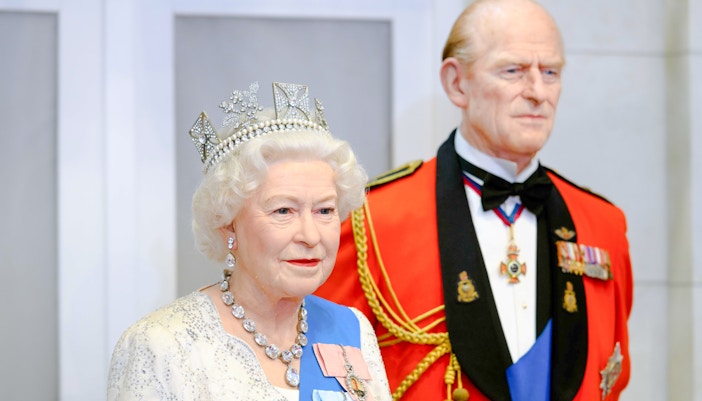
Blitz survival (1940)
During World War Two, bombs destroyed hundreds of wax heads, scattering debris across Marylebone. Staff carefully salvage and remake figures with battle marks, reopening quickly. The museum survives, showing resilience that mirrors London itself, with wax heads enduring despite chaos and destruction.
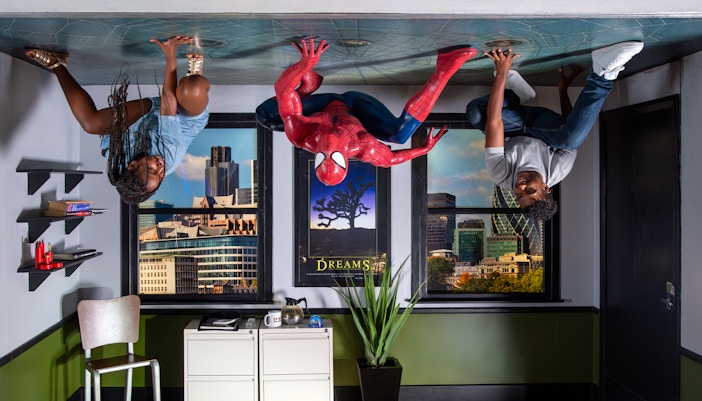
Superhero wax zone (1985)
Comic book heroes leap to life as Spider-Man, Hulk, and other Marvel figures join the wax lineup. Visitors interact with superheroes amid colorful murals, blending traditional waxcraft with pop culture, making Tussauds a thrilling spot for fans of both history and comics.
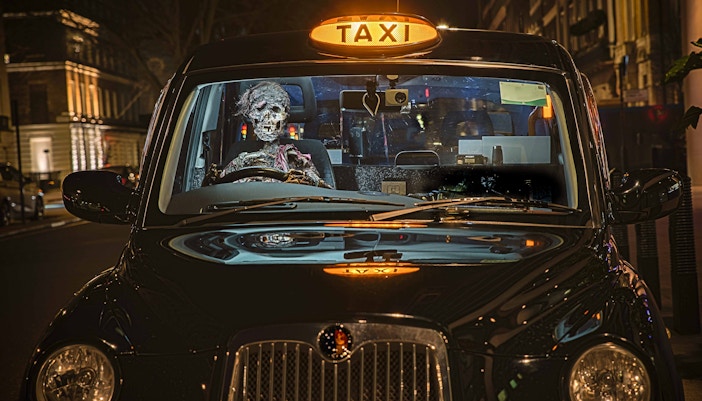
Spirit of London ride (1993)
The Spirit of London ride takes visitors through city history in a black cab. Guests pass plague scenes, historical figures, and wartime moments in a thrilling five-minute journey. This immersive experience transforms Tussauds from static exhibits into a lively, adventurous museum.
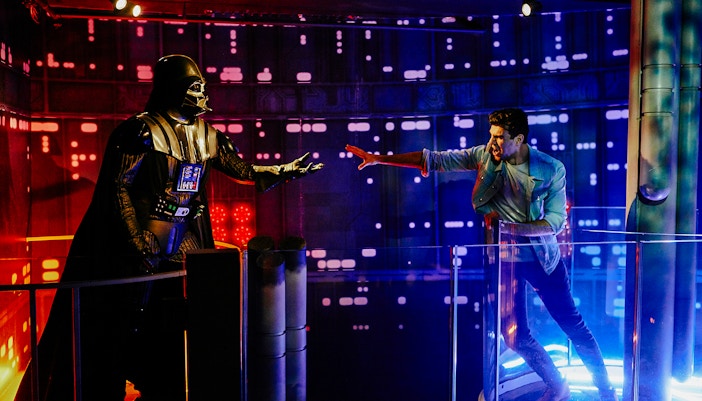
Cinematic wax takeovers (2000s)
Star Wars and Marvel zones bring cinematic worlds to life with wax Yoda, Vader, and Avengers battles. Holograms and props enhance authenticity, creating interactive adventures for fans. The museum evolves into a playground where wax and film merge seamlessly.
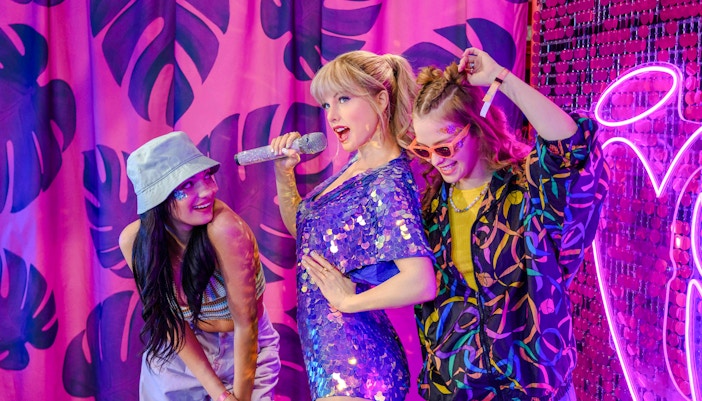
Modern glow-up (2020s)
Madame Tussauds updates with ultra-realistic royals and interactive 4D Marvel experiences. High-tech displays, holograms, and photogenic setups keep crowds entertained. The museum balances traditional craftsmanship with modern thrills, keeping it relevant for visitors seeking selfies, stories, and superhero excitement.
Construction of the Madame Tussauds London
In 1884, Marie Tussaud’s grandsons moved the museum from cramped Baker Street to a grand Marylebone Road building, trading the bazaar feel for Victorian elegance. Local builders and in-house engineers created soaring halls with steel supports, ornate red brick facades, and Portland stone, perfect for thousands of wax figures. Electric lights replaced candles, moving panoramas recreated battles, and climate controls protected delicate models. Costs and labor challenges tested them, but the museum opened in splendor, blending theater, technology, and craftsmanship, laying the foundation for the Marvel zones and modern crowds we see today.
Madame Tussauds London today
Madame Tussauds London is a lively mix of history and fun, where wax figures from revolutionary Paris meet Marvel heroes and royal icons. Its dramatic past, from fires to wartime survival, gives every figure a story. Today it adds color and culture to London, drawing millions to Marylebone Road to laugh, pose, and marvel. With history, glamour, and interactive thrills all in one place, it is definitely a must-visit for any curious traveler.
Frequently asked questions about Madame Tussauds history
Marie Tussaud trained under her uncle Philippe Curtius in Bern, Switzerland, mastering lifelike wax figures that combined artistry with anatomical precision.
The Chamber of Horrors originated from Marie’s death masks of guillotined revolutionaries, blending history, drama, and fascination for the macabre.
Yes, Marie secretly transported several revolutionary figures to Britain, ensuring the survival of her most prized and historically significant waxworks.
The museum was rebuilt after disasters using resilient staff, recycled wax, and innovative displays, preserving historical figures and public interest.
Yes, she sculpted notable figures of her time, from European royalty to influential revolutionaries, often studying their expressions for lifelike accuracy.
It offered high footfall, space for exhibits, and proximity to curious Victorian crowds eager for sensational history and entertainment.
Artists used layered wax, glass eyes, and custom pigments, while controlling temperature and humidity to maintain lifelike appearance for decades.
The French Revolution, Victorian fascination with crime, fires, and World War II all influenced collections, layouts, and public interest at Tussauds.
Figures were packed in crates, carried by horse-drawn carts or ships, with careful handling to prevent melting, chipping, or damage.
Its mix of education, entertainment, and realistic figures inspired museums globally to adopt interactive storytelling and lifelike exhibits.
Her sons and grandsons expanded exhibits, relocated to Marylebone Road, and modernized operations while preserving her artistic and historical vision.
A few historical wax figures, especially from the Chamber of Horrors, survive after careful restoration and continue to reflect her artistry.
Yes, she experimented with facial molds, wax layering, and pigment blending to enhance realism, influencing wax artistry worldwide.


